Get Full Government Meeting Transcripts, Videos, & Alerts Forever!
Get email alerts on the Historic Preservation topic
No spam. Unsubscribe anytime.
Mesilla planning panel adopts zoning changes to pursue historic‑preservation certification
Summary
The Mesilla Planning and Zoning Commission on Oct. 20 approved amendments to Chapter 18 to qualify the town for Certified Local Government status, adding commission qualifications, survey standards, reporting requirements and a provision allowing local designation despite owner objection; the measure passed 5–0.
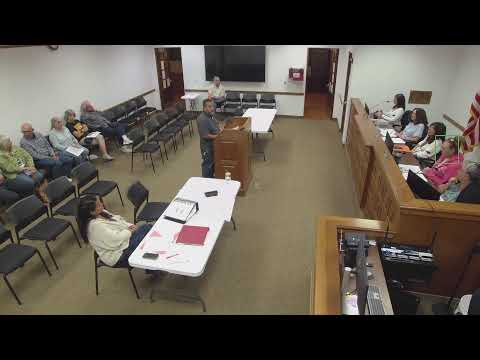
The Mesilla Planning and Zoning Commission voted 5–0 on Monday to amend sections of the town zoning code to enable Mesilla to apply for Certified Local Government (CLG) status, a state and federal program that opens access to historic‑preservation grants, technical assistance and preservation standards.
Liana Aguirre, who presented the proposed changes, told commissioners that CLG status “goes beyond funding” and would connect Mesilla to the State Historic Preservation Office and the National Park Service for expertise and grant opportunities. She described federal precedents for the program — including the Antiquities Act of 1906 and the National Historic Preservation Act of 1966 — and said the certification would bind the town to Secretary of the Interior preservation standards already reflected in the proposed code language.
The ordinance amendments add or revise multiple provisions in Chapter 18 related to historic preservation: appointment and minimum qualifications for a five‑member Planning and Zoning/Historical Appropriateness Commission (including a requirement that two members be professionals in disciplines such as architectural history, planning, archaeology or conservation); a minimum meeting schedule with at least one meeting annually dedicated to education and training; survey and inventory standards using the New Mexico Cultural Resources Information System (NMCRIS) and Cultural Properties Inventory forms (HCPCS); and new reporting obligations to the State Historic Preservation Officer to maintain CLG status.
Aguirre also described a newly proposed owner‑consent section. “The Town of Mesilla, with approval from the Planning and Zoning Historical Appropriateness Commission, may designate historically significant properties, structures, sites, or districts as historic landmarks or historic districts based on criteria established in the municipal code regardless of property owner consent,” she said, adding that owners would retain the right to comment during the designation process and to appeal to the town council within 30 days of final notice.
A commissioner raised a procedural concern at the start of the meeting, asking whether the public hearing had been posted 15 days in advance under state law. A commissioner asked, “Was it posted 15 days prior per the state statute?” Staff responded that earlier postings and prior agenda notices satisfied the public‑notice requirement.
The presenter and staff identified remaining application items for CLG status: a letter from the town’s chief elected official requesting certification, a list of preservation‑commission members and resumes (commissioners were asked to submit resumes or brief statements of interest), and the completed CLG application and certification agreement. Aguirre said some grant funding is not currently available but that a historic‑preservation fund and other state resources have been and will be made available when funded.
The commission approved the amendments on a 5–0 roll call. Staff said the town will complete the remaining application materials, including the mayor’s letter and required member resumes, before submitting a CLG application.
Next steps: staff will assemble the CLG application materials identified by Aguirre and follow up with commissioners about resumes and the training schedule required to maintain certification.