Get Full Government Meeting Transcripts, Videos, & Alerts Forever!
Get email alerts on the Public Safety topic
No spam. Unsubscribe anytime.
Resident summarizes 9‑1‑1 funding lawsuit, says city paid millions to county
Summary
A Roanoke Rapids resident urged the city to record the history of a 9‑1‑1 funding dispute, saying the city paid roughly $2.7 million since 2010 (about $3.7 million adjusted) and summarizing an Oct. 1 court opinion that the city lacked standing in the suit.
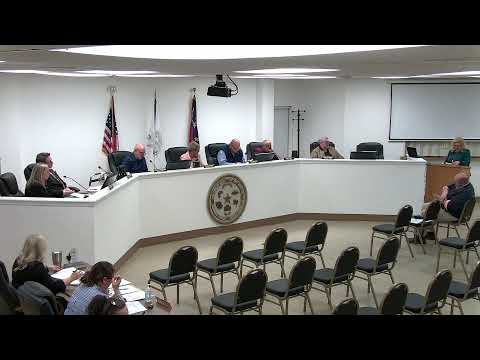
Efron Brodsky told the council he wants the public record to reflect a dispute between the City of Roanoke Rapids and Halifax County over 9‑1‑1 funding and a recent court opinion. Brodsky said the dispute traces to a 2004 interlocal agreement amended in 2013 and that the city later gave notice (June 29, 2020) it would end financial support effective July 1, 2022.
Brodsky described litigation the city initiated and the county’s counterclaims. He summarized the October 1 court ruling as finding the city lacked standing to bring the suit: “The court said that we didn't have standing to file the suit,” he said. Brodsky repeatedly framed the timeline and described the practical result: when residents dial 9‑1‑1, calls continue to be answered, and the county did not pursue the threatened actions he said it previously raised.
Brodsky presented figures he said were calculated from available budget records: he said the city paid approximately $158,000 in 2010 (which he adjusted to current dollars) and that total payments since 2010 amount to about $2,700,000 in actual dollars and roughly $3,700,000 when adjusted by Consumer Price Index. He characterized those payments as funds the city had “paid to the county that we're never gonna get back.”
The council did not debate the specific accounting during the public‑comment segment; Brodsky said he would distribute an infographic to the media and council to document his calculations. His remarks raised concerns about long‑term local fiscal impacts and the interaction between state law and municipal obligations, which he said remain unsettled in litigation.