Get Full Government Meeting Transcripts, Videos, & Alerts Forever!
Get email alerts on the Public Safety Funding topic
No spam. Unsubscribe anytime.
Roanoke Valley Rescue Squad asks council for phased rescue tax increase to replace aging truck
Summary
A Roanoke Valley Rescue Squad representative asked Roanoke Rapids council to phase the rescue tax from 1¢ toward 5¢ over five years (initial 2¢ proposed) to fund a replacement 21‑year‑old heavy rescue truck and to stabilize operations after 1,079 responses in 2025.
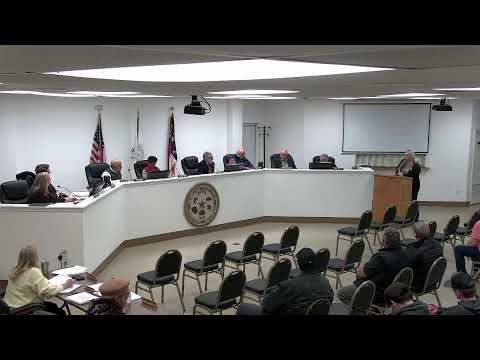
A representative of the Roanoke Valley Rescue Squad presented a request for a phased increase in the local rescue tax, asking the council to raise the rate from the current 1¢ up to 5¢ over five years, beginning with an immediate 2¢ increase. The presenter said the additional revenue would fund replacement of a 21‑year‑old heavy rescue truck and improve the squad’s operational stability.
The squad's representative described 1,079 calls for emergency services during calendar year 2025 and gave a breakdown: roughly 748 first‑responder calls, 206 motor‑vehicle accidents, eight vehicle extrications, and multiple mutual‑aid and backup incidents. The presenter said approximately 3.6% of calls were in Halifax County while 96.4% were within Roanoke Rapids city limits, and argued that the existing 1¢ tax “is no longer sufficient funding to support modern rescue operations.”
The speaker urged council to adopt a phased approach to minimize the immediate cost burden on residents while ensuring predictable funding for training, equipment replacement, fuel, insurance and other operating costs. Council took the presentation; no immediate vote or ordinance to change the tax was taken at this meeting.
Why it matters: The proposal, if approved in future budget or ballot actions, would directly affect property tax rates and emergency service funding; it could reduce reliance on uncertain grants and fundraising but would require formal council action, public notice and statutory compliance before implementation.