Get Full Government Meeting Transcripts, Videos, & Alerts Forever!
Get email alerts on the Budget Stormwater topic
No spam. Unsubscribe anytime.
Palmetto Bay manager proposes 2.35 millage; stormwater consultant recommends raising fees to cover deferred projects
Summary
Manager Nick Marano proposed a FY27 budget built around a 2.35 millage (about $19/year for median home) using $805,000 of surplus; Raftelis recommended increasing the stormwater fee from $5 to $8.50 in FY27 and to as much as $13 over the forecast period to fund operations, debt service and capital projects, including an urban‑forestry option.
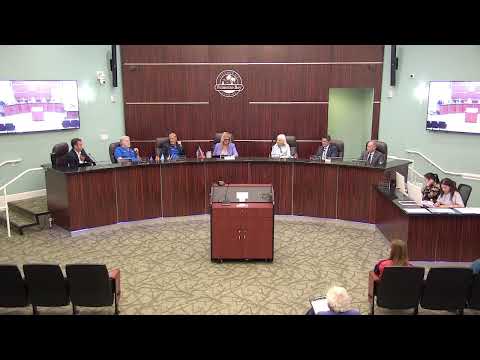
Village Manager Nick Marano presented results of a recent resident survey and a draft FY27 budget scenario built on a 2.35 millage rate. He said the proposed millage would require a 4/5 vote to exceed rollback thresholds and that a 2.35 millage would increase the annual property tax to the village for the median taxable home by about $19 (from roughly $907.56 to about $926). Marano recommended using about $805,000 of current year surplus to balance recurring costs while preserving a robust fund balance, and he warned that a statewide homestead‑exemption ballot measure could create a multi‑million dollar structural gap in later years.
Consultant Raftelis presented a five‑year stormwater revenue sufficiency analysis, noting the village has not adjusted its $5 per ERU stormwater fee in several years. Raftelis recommended raising the monthly fee per equivalent residential unit to $8.50 in FY27 and phasing further increases (examples in the presentation reached $9.10, $11 and up to $13 by the end of the forecast period) so that the fund can cover operating cost growth, planned capital projects and reserves. The consultants recommended using low‑interest State Revolving Fund (SRF) loans for major sub‑basin projects to soften rate impacts and presented an urban canopy/green‑infrastructure option that could be funded by incremental fee additions.
Several council members expressed support for funding a more robust stormwater and tree‑planting program; others urged caution and noted the budget tradeoffs and legal/budgetary constraints that will be part of final decisions.