Get Full Government Meeting Transcripts, Videos, & Alerts Forever!
Get email alerts on the Civic Engagement topic
No spam. Unsubscribe anytime.
Presenter urges renewed civic engagement, warns of apathy and calls for private-sector accountability
Summary
A presenter argued that declining civic participation and apathy threaten democracy, asked how to get young people and women to engage, and urged the private sector to adopt sustainability and accountability measures.
A presenter urged renewed civic engagement on a brief talk that framed the future as something communities build rather than something that "happens to us." The speaker warned that growing apathy and nonparticipation are eroding democratic participation and asked how to motivate young people and women to take leadership roles.
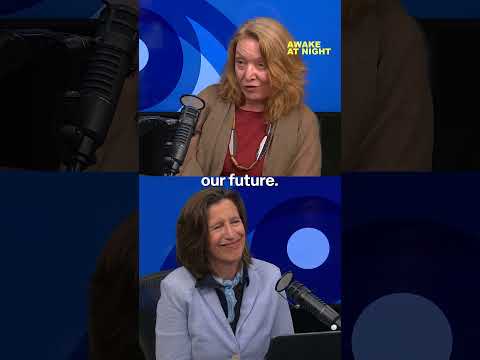
The presenter opened by inviting listeners to "Imagine your future and start working towards it," then asked, "What keeps you awake at night?" and later said, "The future doesn't happen to us. We create our future." The remark was an appeal to active participation rather than passive expectation.
Recalling election nights in Costa Rica, the presenter asked, "How do I get young people to vote? How do I get young people to go back in thinking that their vote matters?" The question framed low youth turnout and broader nonparticipation as central barriers to civic renewal rather than isolated problems.
The speaker also linked participation to safety and inclusion, asking how to "work with women and make them feel safe enough to stand up and take leadership positions." The comment connected gender, personal security, and leadership pipelines as interrelated challenges.
Turning to the role of business, the presenter urged the private sector to assume accountability for how it operates and for the sustainability impacts of its practices, saying companies should "take seriously sustainability." The remarks positioned corporate responsibility as part of the solution to civic disengagement and environmental concerns.
The talk closed on a personal note: "I stay awake at night trying to figure out how to get people to act," the presenter said, restating the core problem of translating concern into collective action. There were no formal motions, votes, or referenced legal authorities in the remarks; the session was a standalone presentation rather than a deliberative meeting with recorded actions.
Next steps were not specified in the talk; the presenter left questions about specific programs, timelines, or funding unresolved.