Get Full Government Meeting Transcripts, Videos, & Alerts Forever!
Get email alerts on the Wildlife Conservation topic
No spam. Unsubscribe anytime.
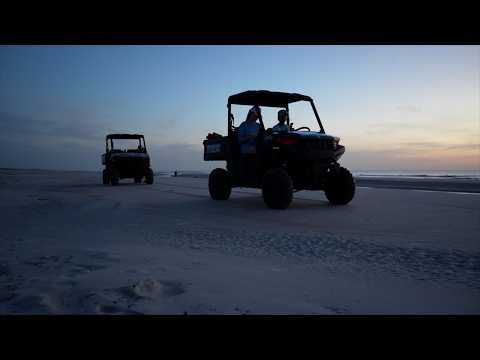
FWC volunteers patrol St. Johns County beaches to monitor sea turtle nests
Summary
FWC volunteers patrol St. Johns County beaches each morning during nesting season (May 1–Oct. 31) to record nesting and hatching activity in the state database and to urge beachgoers to remove chairs, tents and fill holes to reduce harm to endangered and threatened sea turtle species.
FWC volunteers patrol St. Johns County beaches each morning from May 1 to Oct. 31 to monitor sea turtle nesting and hatching activity and to protect species listed as federally endangered or threatened, a presenter said.
"We're out here every single morning to monitor and document any nesting activity that happened the evening before," the presenter said, describing the Florida program’s volunteer teams and their practice of entering observations into the state database.
Volunteers read tracks left by nesting females to determine species and to tell whether a nest was laid or a false crawl occurred, the presenter said. For nests that have incubated long enough for hatchlings to be expected, volunteers document how many hatchlings make it to the water and note any obstacles or negative impacts they observe.
The presenter urged beachgoers to minimize hazards to nesting turtles: pick up beach chairs, fill holes, remove trash, and bring in tents and chairs overnight so they do not disturb nesting or hatchlings. "Leave the beach better than you found it," the presenter said.
According to the presenter, all five sea turtle species that nest in St. Johns County are federally endangered or threatened; volunteer monitoring and protective measures are intended to reduce human-caused harm and to help the county share the shoreline with wildlife that has nested there long before people. The presenter noted that occasional early or late nests occur outside the May 1–Oct. 31 window.
Volunteers’ daily records are placed into the state database to provide officials and researchers with consistent monitoring data on nesting counts, hatch success and disturbances. The presenter framed the effort as local stewardship to protect vulnerable species and improve the odds that hatchlings reach the ocean.