Get Full Government Meeting Transcripts, Videos, & Alerts Forever!
Get email alerts on the Leaf Recycling Center topic
No spam. Unsubscribe anytime.
Roseville council directs staff to modify leaf‑recycling operations and advance equipment purchase planning
Summary
Council directed staff to implement a modified, county-style operating model for the city’s leaf‑recycling center (limited hours, gate/staffing and cameras to reduce nonresident/contractor dumping) and authorized staff to solicit quotes for a replacement compost turner to be considered in the 2027 CIP.
The Roseville City Council voted unanimously July 6 to pursue a modified operating model for the Roseville Leaf Recycling Center and to move forward with steps to replace aging composting equipment.
Public Works Director Jesse Fryhammer outlined five options for the facility, from doing nothing (Option A) to closing the site (Option D) or asking Ramsey County to operate the location (Option E). Staff noted the site’s high recent use (an estimated 35,000 cubic yards collected in the latest season, with a peak weekend of about 1,700 cars) and recurring problems: contractor and nonresident use, illegal dumping, site soil and access issues, and the city’s 1997 compost turner that requires replacement or major repair.
Fryhammer summarized options staff examined: keeping current operations, adopting county-style hours with staffed gate and cameras (Option B), collecting leaves but composting off-site (Option C), closing the site (Option D), or requesting county operation (Option E). Staff said Option D (closure) had been recommended previously by the Public Works commission on a split vote, but after public testimony and council discussion recommended exploring a managed, limited-access model.
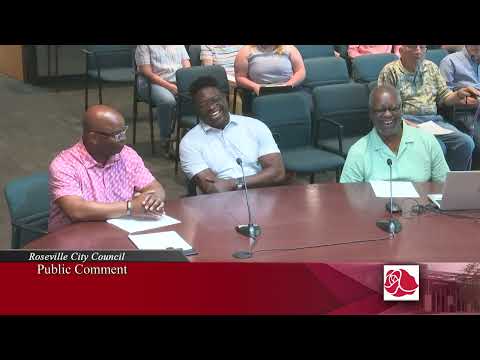
Residents who spoke at the meeting emphasized the compost site’s community value. Andy Johnson, a gardener, said city compost is “black gold” and described savings and garden benefits from free or low-cost compost. Several residents urged keeping access for community gardens and nonprofit groups that rely on free compost deliveries.
Councilmembers discussed cost trade-offs and equity impacts (community gardens, gardeners who rely on free compost, proximity for residents) and asked detailed questions about equipment replacement estimates. Fryhammer said vendors indicated a properly sized compost turner for the site could be in the mid‑$300,000 to $500,000 range (staff previously included $450,000 in 2027 CIP planning) and that repair of the current unit could cost tens of thousands and may not be a long‑term fix.
After discussion, Councilmember Schroeder moved and the council approved a motion to adopt Option B in modified form: restrict hours, staff and secure the gate to reduce contractor and nonresident use, maintain compost pickup for residents (with compost staged outside the gate), and initiate a procurement process to secure quotes and place a purchase order in time for 2027 implementation if warranted. The motion directs staff to bring specific operational hours, staffing and procurement terms back to the council as part of the 2027 budget decision-making process. The vote was unanimous.
Next steps: staff will solicit vendor quotes and return to council with purchase terms, cancellation/lead-time options and proposed operational hours and staffing models as part of the 2027 CIP and budget deliberations.