Get Full Government Meeting Transcripts, Videos, & Alerts Forever!
Get email alerts on the Climate Equity topic
No spam. Unsubscribe anytime.
Roseville council adopts Climate Equity Action Plan, will refine wording and align next steps to budget
Summary
The Roseville City Council on July 6 adopted a final Climate Equity Action Plan setting a near-term target to cut greenhouse gas emissions 54% by 2036 and net-zero by 2050, with staff directed to add final non‑substantive edits and develop annual implementation plans tied to the 2027 budget process.
The Roseville City Council on Monday unanimously adopted a final Climate Equity Action Plan, directing staff to fold in minor edits raised during the meeting and to develop annual implementation plans that align with the city’s budgeting cycle.
Sustainability specialist Noel Bakken and consultant Ted Redmond presented the plan, which sets a near-term target to reduce greenhouse gas emissions 54% below baseline by 2036 and reach net-zero by 2050. Redmond said the plan was built through a four-phase process of baseline research, community engagement, drafting and refinement and that the public review pages had more than 400 visits and 23 online responses during the formal comment period. “We have been working on this plan for the past 10 months,” Bakken said, and thanked the climate justice advisory group and community volunteers who helped shape the document.
Councilmembers asked staff to clarify several implementation details. Councilmember Bauer raised questions about the economic savings calculations and the absence of per-action implementation cost estimates, noting that “none of these numbers actually have implementation cost in them.” Redmond and Bakken said the costs are intended as order-of-magnitude estimates for residents and that staff will prepare annual priority actions, resource needs, and grant-seeking strategies during implementation so the council can align choices with available funds.
Several councilmembers pressed to remove or soften prescriptive language about EV-ready requirements for affordable housing; Councilmember Schroeder said she preferred to keep the action but not a specific technical requirement in the main text. Bakken replied that state building requirements are changing and that staff will reword the ordinance guidance to avoid prescribing a solution that could soon be superseded.
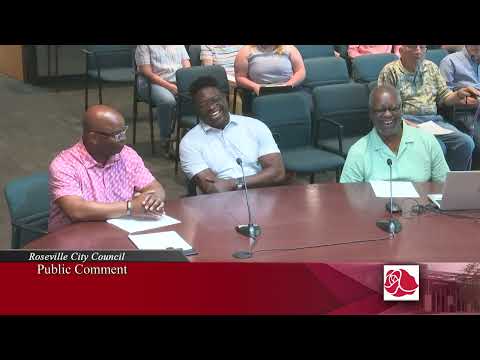
Public commenters largely supported the plan. Donna Peterson, who said she worked on waste- and emissions-reduction programs, urged expanded internship-based implementation projects; Allison Jensen, speaking as a resident and a planning commissioner member, said the plan is a useful community touchstone for daily climate policy.
Mayor Roach summarized the council’s direction: adopt the plan subject to final non‑substantive edits and proceed with annual implementation planning tied to the budget. The motion to adopt was moved by Councilmember Strachan and seconded by Councilmember Graf; the vote was unanimous.
Next steps: staff will incorporate the edits discussed at the meeting, add appendices and storytelling materials, and return with implementation plans and budget-aligned priority actions during the 2027 budget process.