Get Full Government Meeting Transcripts, Videos, & Alerts Forever!
Get email alerts on the County Pilot Issue topic
No spam. Unsubscribe anytime.
Molalla council raises alarm after Clackamas County takes most PILOT proceeds from new apartment project
Summary
Council members said the county used a state PILOT (payment in lieu of taxes) mechanism to capture roughly $25,000 a year of increased tax revenue from a local apartment development, leaving Molalla and its first‑responder districts with a small share; the county has said it will redistribute funds for the current year but councilors warned of longer‑term revenue impacts.
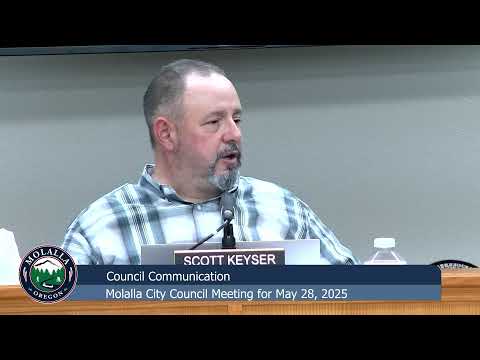
Council members told the Molalla City Council they discovered Clackamas County used a state PILOT (payment‑in‑lieu‑of‑taxes) statute and a 1% ownership interest by the county housing authority to have most of the incremental tax revenue from a new apartment complex routed to multiple taxing districts outside Molalla.
Mayor Keiser said he learned the parcel’s increase in assessed value generated about $25,000 a year in incremental taxes that would otherwise help city services such as police and fire. "I kinda feel like you hijacked it," the mayor said after describing conversations with the county commissioner. Staff said the county plans to redistribute the funds in June for the current year but warned the long‑term effect could persist if legal ownership and PILOT terms remain in place.
City staff explained how the PILOT program works: it sets a multi‑decade, typically lower tax rate for qualifying affordable housing developments and distributes the payment across taxing jurisdictions per statute and local arrangements. The city noted this instance was unusual because the county housing authority’s partial ownership allowed the county to initiate the PILOT unilaterally, and Molalla staff were not consulted before the distribution decision.
What council asked staff to do: bring options and legal analyses back to council, seek clarification from the county on redistribution and future ownership arrangements, and consider whether a formal council position or intergovernmental request is appropriate to recover funds or change the distribution method.
Next steps: staff said they had asked the county for explanations and that commissioners expected to redistribute funds for the year at an upcoming meeting; the council will consider responses and legal options at the next meeting.