Get Full Government Meeting Transcripts, Videos, & Alerts Forever!
Get email alerts on the Peer Support topic
No spam. Unsubscribe anytime.
State webinar spotlights peer recovery, 'dignity of risk' and peer support
Summary
At a state DHHS webinar for Mental Health Awareness Month, peer specialists shared personal recovery stories and urged systems to center autonomy, harm reduction and practical supports like housing and peer-run spaces.
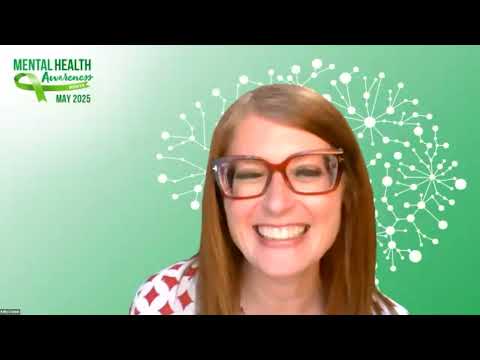
At a state-hosted webinar marking Mental Health Awareness Month, Kelly Crosby, assistant secretary for mental health, developmental disabilities and substance use services at the Department of Health and Human Services, hosted a panel of certified peer support specialists who described recovery as a lived, non‑linear process and urged systems to prioritize peer relationships and practical supports.
"This is my life," said Elliot Brooks, a certified peer support specialist at the Raleigh Cafe and Recovery program with Promise Resource Network, recounting decades of involvement with the mental-health system and saying what helped most was someone believing in them and offering workplace- and community-based supports. "I want to exist as me, but with a way that feels more like me," Brooks added, describing recovery as embracing identity rather than eliminating parts of it.
Jacob Schoenberg, a social worker and peer consultant at the UNC Institute for Best Practices, said recovery for him meant rebuilding independence, learning daily living skills and moving from dependency to employment. "Having people who believe in you and give you practical help—housing, jobs, supports—made a difference," Schoenberg said.
Panelist Laura, a certified peer support specialist with We Rise Up, emphasized integrated care that combines therapy, psychiatry and peer support and pushed back against language that frames people as "suffering from" their conditions. "Give me options," she said, urging providers to ask "Would you like to try this?" rather than dictating treatment.
Across the discussion, panelists and Crosby highlighted several recurring themes: the value of peer-to-peer services and paid peer work, the importance of practical supports (housing, Medicaid access, employment), and respect for autonomy and the "dignity of risk"—allowing people to make choices that may carry some risk while keeping supportive relationships intact.
Crosby invited the panel to help the state with reform efforts and directed listeners to posted slides and contact resources. The division said the recording and slides will be posted on its webinars page and announced the next "Side by Side" webinar for Monday, June 8 from 2 to 3 p.m.