Get Full Government Meeting Transcripts, Videos, & Alerts Forever!
Get email alerts on the Data Centers topic
No spam. Unsubscribe anytime.
Residents press Grand Rapids board to address data centers, wells and power
Summary
Residents urged the Grand Rapids Town Board to consider a moratorium and to state a position on data centers amid concerns they could deplete wells, affect the aquifer and push up utility costs; the board agreed to begin ordinance work and public education on the issue.
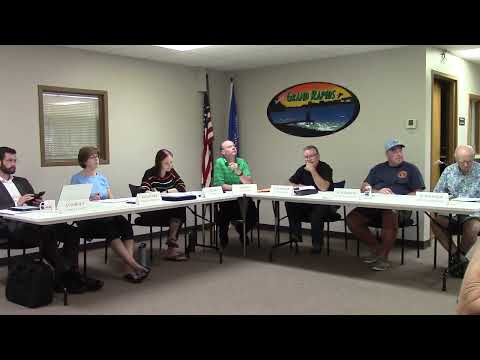
Several residents urged the Grand Rapids Town Board at its July 8 meeting to address possible local impacts from proposed data centers, including effects on wells, aquifers and electricity costs. “I sent two letters to the board ... Nobody got back to me,” said Lori Sankey, a Grand Rapids resident who asked why the township has not considered a moratorium like nearby Wisconsin Rapids.
Jake Zener, who said he lives near the site in question, told the board that his family uses Westland Park weekly and asked whether the town had pursued grants to improve local parks as part of broader planning discussions. “Do we want it? It's not brought up,” Sankey said of data center proposals, later adding she has “never heard one good thing about the data centers.”
Board members acknowledged the concern and said they are beginning a process of ordinance review and public education. One board member said the town has been looking at model ordinances for data centers at the legislative committee level and that the board should take steps “to make sure our town is protected and taken care of as best as we can.”
Resident Andrew Ed Plyer emphasized local water worries, saying relatives in Beaver Dam have had wells dry up after nearby developments. “What's going to happen to the aquifer?” Plyer asked, urging the board to state a position so residents know what to expect and who would pay for deeper wells if aquifer levels fall.
The board did not enact a moratorium at the meeting. Chair acknowledged the issue is “a hot topic right now” and said the board will continue work on ordinances and hold informational sessions ahead of any formal action. The board also scheduled legislative committee meetings this month to discuss related ordinances and fee structures.
Next steps: the board said it will pursue ordinance review at its legislative committee and publish opportunities for public information sessions; no regulatory action was adopted at the July 8 meeting.