Get Full Government Meeting Transcripts, Videos, & Alerts Forever!
Get email alerts on the School Finance topic
No spam. Unsubscribe anytime.
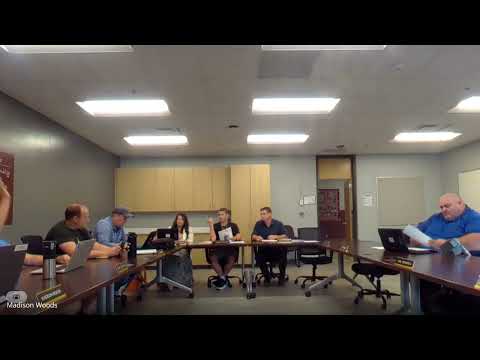
Fosston school board approves placing capital-project levy and 10‑year tech bond on the ballot
Summary
The Fosston Public School District board voted unanimously to place a conjunctive capital-project levy (about $670,000) and a 10‑year tech bond (about $3,240,000 over its life) on the ballot; the superintendent outlined how the tech bond reallocates technology funding and noted agricultural-school tax credits apply to the bond portion.
The Fosston Public School District board voted to place a conjunctive capital-project levy and a 10-year technology bond question on the ballot, approving a resolution that moves both questions to a special election.
The superintendent told trustees the capital project levy would raise roughly $670,000 and the tech bond would generate about $3,240,000 over the life of the bond (10 years). He said the two measures are linked as a conjunctive question so the district can raise capital-project funds while reallocating existing technology revenue: “The tech bond does not necessarily mean that these funds are going to be utilized for new tech. It is to reallocate funding that is currently being utilized in tech,” the superintendent said.
Why it matters: the capital project levy and the bond are intended to provide the district with dedicated capital funding and debt authority for district needs; the superintendent emphasized the district does not plan to expand an elaborate technology suite and said the bond portion is eligible for an agricultural-school tax credit that will reduce the per-acre tax impact for qualifying owners.
Board discussion and tax-impact framing focused on limiting community tax burden. One trustee noted that if the question were loaded fully into the operating levy it would amount to “almost $730 a year,” and said combining the questions lowers the immediate rate impact. The superintendent said the district structured the package to “raise money with the least tax impact that we can.”
Vote and next steps: The board approved the resolution by roll-call vote; the meeting transcript records each named director answering “Yes” when called. The superintendent said staff will schedule internal briefings for frontline employees and begin community outreach, including radio and other outreach, and he recommended using a marketing vendor to explain the measures to the public.
The board did not finalize an election date change in this motion; the packet materials and the superintendent’s remarks identify Nov. 3 as the general election date for related ballot planning and outline a separate special-election resolution language used to put the conjunctive question before voters. The district indicated it will publish estimated tax-impact tables in the packet materials and continue outreach before the ballot question.