Get Full Government Meeting Transcripts, Videos, & Alerts Forever!
Get email alerts on the State Policy topic
No spam. Unsubscribe anytime.
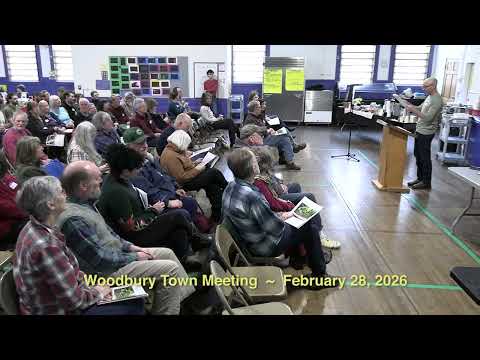
State representatives brief Woodbury on housing bills, health care and land‑use concerns
Summary
Representatives addressed housing finance and landlord‑tenant bills, discussed possible surtax proposals, and answered residents’ questions about health‑care costs and Act 250/Tier‑3 land‑use corridors.
Woodbury — Two state representatives addressed the town meeting to summarize recent legislative work and take questions from residents.
Representative Saudi Lamont (committee work on housing described) summarized three bills from committee related to housing production and financing, including a municipal bond/finance pathway and a manufactured‑homes bill that treats permanently sited manufactured homes as property rather than personal property. Rep. Lamont also described landlord‑tenant changes (filed as 772 in committee) intended to shorten some eviction timelines while providing tenant‑readiness education.
Representative David Iacovone spoke about broader fiscal options and raised the possibility of a modest income surtax on very high earners as one mechanism to preserve services, referencing committee estimates and programs at risk. Residents pressed both lawmakers on the high cost of health care, the effect of Act 250 Tier‑3 corridors on property values and the practical effect of school consolidation. Lawmakers said the bills remain in committee processes and urged constituents to provide input.
Why it mattered: State policy on housing, land use and health care can have downstream effects on municipal budgets, permitting and local development. Residents used the opportunity to raise real‑world impacts including property devaluation and permitting costs associated with Act 250.
What’s next: Representatives left materials and encouraged follow‑up; the town scheduled a follow‑up event (June 8) to continue local dialogue with lawmakers.