Get Full Government Meeting Transcripts, Videos, & Alerts Forever!
Get email alerts on the Harbor Storage topic
No spam. Unsubscribe anytime.
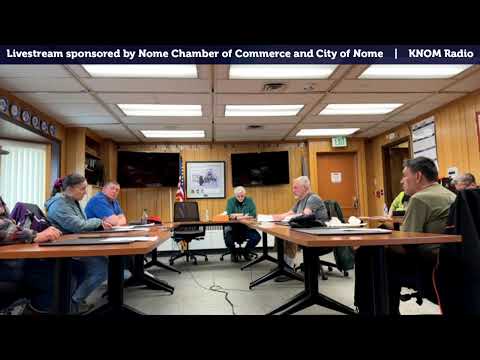
Commissioners debate harbor storage and tariff rules as larger vessels seek space
Summary
Commissioners discussed increasing interest from large dredges, jackup rigs and trawlers in Nome’s harbor, debated seasonal vs. daily tariff options and potential pilot programs to free space for local users, and weighed penalties for long-term storage that crowds the small-boat harbor.
Nome port staff and commissioners debated how to manage increased interest from large commercial vessels and dredging operations, and whether tariff changes or pilot programs could free dock space for small operators.
Staff said multiple large vessels and jackup rigs are scouting wintering and staging plans for Nome and that operators should submit letters and plans well before arrival to avoid denials on site. "Please write a letter, send more information, send pictures, come up with a plan well before they get here so they don't show all the way up here and then are surprised if they get denied," staff said.
Commissioners and fishermen raised the daily-versus-seasonal fee structure for summertime permits. One commissioner noted that the seasonal fee for some vessels can be about $1,200 for the whole summer and asked whether a monthly permit would free up dock space for others. Staff said the tariff change adopted earlier favors daily rates in season, and that in practice daily in-season rates rapidly approach the cost of a seasonal permit for longer stays.
The commission discussed enforcement language already in the tariff: port staff said the tariff requires vessels to move under their own power every 30 days or be considered derelict. Commissioners suggested options including a short pilot program, reintroducing discounted monthly permits for certain users, or escalating penalty fees to disincentivize long-term occupation of scarce dockage.
Why it matters: commissioners said unmanaged long-term storage and big vessels occupying limited ramps can increase costs for smaller local operators and bottleneck cargo operations. Staff proposed developing options and returning to the commission for a short work session to consider tariff adjustments and enforcement mechanisms.
Source material: tariff and storage discussion during the harbor operations and prioritization segments; staff noted tariff language and enforcement practices during the meeting.