Get Full Government Meeting Transcripts, Videos, & Alerts Forever!
Get email alerts on the Sanitation topic
No spam. Unsubscribe anytime.
Council flags rising tipping fees and sanitation shortfall, considers recycling and equipment options
Summary
Council members and staff warned the sanitation enterprise is under financial stress after contract tipping fees and yard‑debris costs rose sharply; options discussed include rate adjustments, buying a collection truck, standardizing 96‑gallon cans and a potential recycling partnership to reduce tipping by up to ~30%.
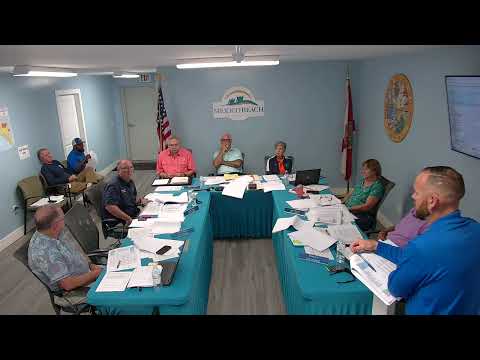
Council members and city staff on Monday examined a widening shortfall in the sanitation enterprise fund, calling attention to higher contractor tipping rates and growing operational costs that may require service changes or new capital investments.
The discussion began with staff noting auditors have repeatedly flagged enterprise rates as too low to cover ongoing expenses. "The auditors have brought it up, that in the past few years, we have been woefully negligent of increasing our rates to where they should be to fund what expenses we have," an agency official said, urging the council to consider structural fixes.
Why it matters: councilors said recent contract renewals and post‑storm pricing have driven yard‑debris and tipping costs much higher than projected, with one estimate of an annual impact rising by tens of thousands of dollars. If unresolved, the gap could force service cuts or recurring operating subsidies from other funds.
What was proposed and debated: staff outlined three main responses. First, short‑term rate adjustments or better capture of billable services (for example, special pickups) to recover costs the city currently absorbs. Second, operational changes such as buying a municipal truck for yard debris pickup instead of continuing to pay steep contractor tipping fees; staff said the initial year cost might be comparable to contractor fees but could save money thereafter. Third, a recycling arrangement and a switch to standardized 96‑gallon carts — Waste Management representatives have projected up to a roughly "30%" reduction in tipping if contamination is controlled, staff said.
Council members pressed for more data. One member asked for cubic‑yard comparisons of yard debris this year versus last to quantify the contract impact; staff committed to bring those figures next week. Councilors also requested copies of vendor contracts, including compactor and tipping agreements, to verify whether higher costs were the result of reallocated charges or genuine rate increases.
Costs and tradeoffs: staff said the city currently pays substantially more for yard debris under the new contract terms than in prior years — a jump councilors called material and unsustainable without offsetting revenue. The sanitation director told the council the department is exploring purchasing a truck and adding one employee to operate a third route as part of a long‑term fix.
Next steps: staff will return with precise yard‑debris volumes and contract language; council members asked administrators to model the cost of buying versus contracting for pickup and to estimate potential revenue from targeted rate changes. No vote was taken; the council scheduled further sanitation follow‑up in upcoming budget meetings.
Attribution note: direct quotes and attributions in this story are to the meeting participants as listed in the official transcript.