Get Full Government Meeting Transcripts, Videos, & Alerts Forever!
Get email alerts on the Community Organizing topic
No spam. Unsubscribe anytime.
Make the Road Connecticut director urges community-led action, highlights partnership with Connecticut Paid Leave
Summary
Wendy Cardenas, executive director of Make the Road Connecticut, describes the nonprofit’s work organizing immigrant and working-class communities, outlines legislative priorities including tenant protections and health access, and notes a partnership with Connecticut Paid Leave to improve worker access to benefits.
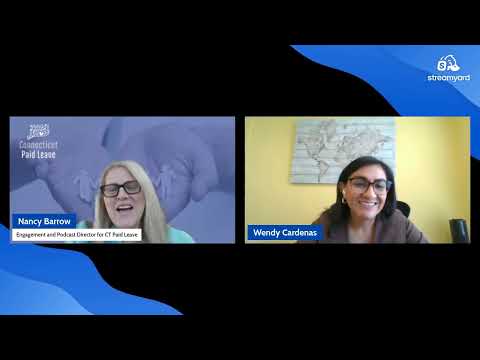
Nancy Barrow, engagement and podcast director for Connecticut Paid Leave, interviewed Wendy Cardenas, executive director of Make the Road Connecticut, on the podcast "5 Minutes of Impact." Cardenas described the group as a grassroots, intergenerational, member-led organization that organizes immigrant and working-class communities across Connecticut to build power and advance policy and direct-support efforts.
Cardenas said Make the Road Connecticut works with "parents, workers, tenants, youth and families" to pursue organizing, leadership development, policy innovation and direct support, and emphasized that the organization centers the voices of people most directly impacted by the issues it addresses. "We build power with parents, workers, tenants, youth, and families who are directly impacted by the issues we work on," she said.
On current priorities, Cardenas listed fighting for tenant-justice protections to prevent unfair displacement, advancing the Health Justice Now campaign to increase access to health care regardless of immigration status, and strengthening workplace protections that create family stability. She also highlighted the group's partnership with Connecticut Paid Leave, saying that collaboration helps ensure workers know about and can access the benefits they have earned.
Asked about next steps, Cardenas said Make the Road Connecticut will focus on deepening impact while growing: strengthening its base, developing new community leaders, advancing ongoing campaigns and building partnerships across the state to support its communities.
When Barrow asked how listeners could get involved, Cardenas provided contact options: she spoke one website variant as "wwwmaketheroadconnecticut.org," later pronounced a different variant as "www.maketherosect.org," and gave social handles including "maketheroadct." She also said the organization maintains offices in Bridgeport and Hartford for in-person engagement. Because the conversation uses more than one spoken form for the web address, the organization should be contacted via its social handles or the links provided by Connecticut Paid Leave for confirmation.
Cardenas closed with an appeal for sustained community engagement: "We are in a very crucial time when our communities are under attack. So we really need people to keep showing up and supporting each other," she said, urging donations, volunteering and direct participation in campaigns.
Barrow closed the episode by thanking Cardenas and directing listeners to the Connecticut Paid Leave podcast and the CT Paid Leave website (ctpaidleave.org) for additional resources and episodes.
The episode runs as part of Connecticut Paid Leave’s outreach series and does not record any formal votes or policy actions; it is an informational interview and call to action for community engagement.