Get Full Government Meeting Transcripts, Videos, & Alerts Forever!
Get email alerts on the Annexation topic
No spam. Unsubscribe anytime.
Junction City commission adopts annexation ordinance after public hearing; staff had warned of enforcement differences
Summary
After a public hearing on an exclusion/annexation petition, the commission voted to adopt ordinance S‑3323. City legal counsel warned that while private rights may not be injured, they could be endangered and that service costs would remain while some tax revenue might be lost.
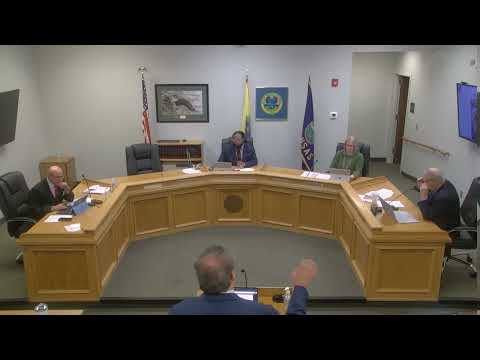
The Junction City Commission voted to adopt ordinance S‑3323 after a public hearing on a petition related to annexation and exclusion of a cluster of lots.
City legal counsel summarized the four statutory questions the commission must answer — whether notice was published, whether private rights would be injured or endangered, whether the public would suffer loss or inconvenience, and whether granting the petition would be just. Counsel told the commission that public notice had been provided and warned the panel that "you have the same cost with fewer tax monies" if territory is excluded, noting differences between county and city building, zoning and code‑enforcement systems.
Commissioners debated whether the loss of property tax could be counted as public loss. Counsel said the loss of taxes is not, by statute, a direct part of the "loss or inconvenience" inquiry but added that the effect of lost revenue — "having the same expenses but not the same income" — was a relevant consideration for the commission.
Commissioner Penner moved to adopt the ordinance as drafted; the motion was seconded and the commission approved it on a roll call. The clerk recorded votes in the meeting: Commissioner Penner — Aye; Vice Mayor Gordon — Aye; Commissioner Larson — No; Commissioner Gutierrez — Aye. The motion carried.
No written objections from adjacent landowners were reported during the hearing; staff noted the planning and statutory factors a court has historically considered in annexation decisions, including whether services exist that provide an intrinsic benefit to the property and land use patterns in the area. The hearing record and staff memorandum were filed as part of the meeting packet.
The commission moved on to other agenda items after the vote; counsel and staff said any petition could be appealed under the statutory process.
What happens next: the ordinance was adopted at the meeting and will be filed in the city records; any appeals or administrative follow‑up would be governed by state statute and local rules.