Get Full Government Meeting Transcripts, Videos, & Alerts Forever!
Get email alerts on the Utilities topic
No spam. Unsubscribe anytime.
Red Bank staff propose raising monthly sanitation fee to $24.55 to shore up solid-waste fund
Summary
City staff presented a proposal to raise the residential sanitation fee from $16 to $24.55 per month to cover rising operating costs, fund vehicle replacement and avoid service cuts; the proposal also reduces the second-can charge and would charge apartment complexes four times the fee for bulk pickups.
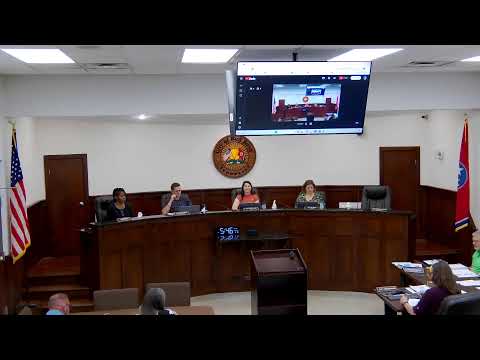
Red Bank staff on July 1 proposed raising the city's residential sanitation fee from $16 to $24.55 per month, a change they say is needed to sustain current collection services and build a capital replacement fund.
Director Tate (city staff) told the commission the solid-waste fund is projected to bring in $1,024,000 in FY27 while the proposed solid-waste budget is $1,265,790, producing a projected use of fund balance of $241,790. Without a fee increase, Tate said, the fund's remaining balance would fall to about $23,312 and the city would have to cut services.
"Without an increase to the solid waste user fee as it is currently ordained by the municipal code, the solid waste fund cannot sustain the current level of operations that our residents expect," Tate said.
The $24.55 fee is an $8.55 monthly increase and, according to staff, would generate roughly $150,000 annually for a dedicated capital replacement fund for vehicle and equipment needs. Tate said the fee reflects more than a decade of rising costs: the sanitation charge has remained $16 since 2009 while fuel, vehicle maintenance, landfill fees, tires, CDL training and regulatory compliance have climbed.
To reduce the burden on households that want a second cart, staff proposed changing the second-can fee from the equivalent of two full monthly fees to $65 per year (about $6.50 per month). "To give our residents tax relief, we're not going to charge a double fee; we're going to charge $65 a year for a second can," Tate said.
Staff also proposed adjusting how the city bills apartment complexes and other multi-unit properties operating under LLCs: rather than the prior, unclear arrangement, complexes would pay four times the residential user fee for bulk-trash service (about $1,178 per year under the proposed fee). Tate said that change reflects repeated bulk pickups by some complexes that exceeded the cost covered by prior rates.
Tate urged the commission to treat the fee as part of a longer-term approach, noting that inflation (about 4% average per year since 2009, staff said) may require future adjustments.
The ordinance is slated for further discussion and a formal vote at upcoming meetings; staff said the commission will see a follow-up resolution to update the city's consolidated fee table.
Ending: The work session did not record a final vote on the rate; staff will return with ordinance language and a fee-table update for the commission's formal consideration.