Get Full Government Meeting Transcripts, Videos, & Alerts Forever!
Get email alerts on the Dangerous Building topic
No spam. Unsubscribe anytime.
Woodland Park Board affirms dangerous-building finding for 209 East Midland, directs owner to seek extension by July 27
Summary
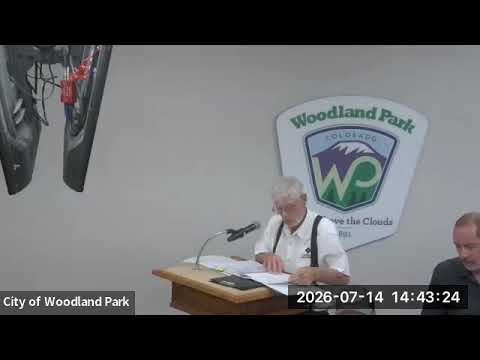
The Woodland Park Board of Review on July 14 affirmed a Pikes Peak Regional Building Department dangerous-building declaration for 209 East Midland Avenue and voted 4-0 to modify the order by directing owner Andrew Wing to request a time extension from the regional department by July 27, 2026.
On July 14, 2026, the Woodland Park Board of Review affirmed the Pikes Peak Regional Building Department's finding that the commercial building at 209 East Midland Avenue presents dangerous conditions and voted 4-0 to modify the department's order by directing owner Andrew Wing to seek an extension of time from the regional building department by July 27, 2026.
The board's action came after Pikes Peak Regional inspectors and officials described multiple code deficiencies identified during an April 13, 2026 site inspection. "This building does remain a dangerous building," Roger Lovell, the regional building official, told the board, citing missing means of egress, a removed load-bearing wall and other structural concerns. Inspector Luke Sanderson summarized their findings, saying the upper floor is only accessible by an extension ladder and that a previously removed load-bearing wall is supporting the second floor, among other criteria the department uses to classify dangerous buildings.
The board heard two competing themes: the regional department emphasized life-safety code criteria and the need for timely correction, while the applicant and his design team argued the deficiencies are fixable and that the owner has submitted plans to address the hazards. Architect David Langley and contractor Carl Anderson described structural drawings and repair plans intended to brace openings and reinstate needed beams; Anderson cautioned that realistic engineering and permitting timelines can run several months.
City attorney Michaela Salaji read a motion that framed the board's available options under city code (to reverse, affirm or modify the regional department's order) and proposed that the board modify the declaration while directing the applicant to "take advantage of the extension of time rights available to him under the Pikes Peak Regional Building Code," with the deadline to submit such an extension request set as July 27, 2026. The board adopted that motion by a 4-0 vote. The director's roll call recorded Jeff Cahill, Martine Vogel, Chair Mac MacVicar and Jeff Smith voting in favor.
Regional counsel advised the board that authority to grant or deny time-limit extensions resides with the building official, not the board. "Time limitations are not within your authority," Virginia Kochitska said during the hearing, pointing to the Pikes Peak Regional Building Code provisions that allow the building official discretion to grant an extension (up to 120 days) if the applicant requests it.
The board's modification therefore functions as a directive to the applicant to pursue the administrative remedy with the regional building department within the board-set timeline rather than a direct extension granted by the board itself. The board also recorded that the dangerous-building declaration itself stands unless later reversed by an appeal or a change in factual findings.
Next steps: the applicant was told to contact the regional building official, Roger Lovell, to request an extension. The owner also retains the right to appeal the board's action to the Woodland Park City Council within 30 days. The board and counsel suggested the applicant and regional officials coordinate promptly to clarify the applicable deadlines and acceptable remediation steps.
Evidence for this article is drawn from regional testimony, the inspection blue sheet and the board's motion and vote as recorded during the July 14 hearing.