Get Full Government Meeting Transcripts, Videos, & Alerts Forever!
Get email alerts on the Modernizing Public Access topic
No spam. Unsubscribe anytime.
Subcommittee chair announces project to modernize public access to legislative data
Summary
At a subcommittee hearing, the subcommittee chair said the panel secured funding for a project with the House Digital Service to improve house.gov and congress.gov user experience, address fragmented data across 600+ sites, and explore AI-enabled search and real-time alerts.
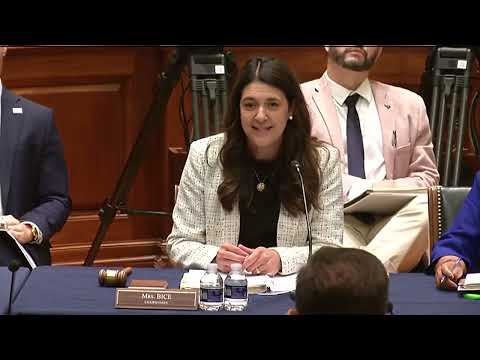
The subcommittee chair opened a hearing on modernizing public access to legislative data and announced that the subcommittee has secured funding from the modernization initiatives account for a new project meant to reimagine how members and constituents find and use legislative information.
The chair framed the effort as a response to changing communication habits, saying staff and members must "meet our constituents where they're at and communicate like they communicate." The chair said the project will work with the House Digital Service to make it easier for members to access secure, innovative tools that surface relevant information across platforms.
Why it matters: The chair warned that the current public entry points to Congress can overwhelm users. He said a typical constituent will begin with a search engine that directs them to house.gov or congress.gov but may be frustrated by the sites' interfaces and search capabilities. "You only get 1 chance to make a good 1st impression," the chair said, arguing that landing pages should be the "digital voice of representative democracy," not "a long list of hyperlinks."
Details from the hearing: The chair said there are "over 600 sites within the house.gov domain, about 70 of which belong to house officers and house support entities," and that legislative data and information are spread across those sites in ways that can present multiple, conflicting versions of the same data. He said most sites lack automated real-time alert systems, which requires staff tracking floor calendars and bill statuses to refresh screens continuously rather than rely on alerts.
The chair also described how House staff have taken initiative by building AI tools that automate tedious monitoring tasks and that can summarize bills and find related measures. He referenced a recent full committee hearing on CRS and AI use as part of the context for staff innovation.
What the subcommittee will do next: The chair said the funding and planned partnership with the House Digital Service are intended to support staff innovation while ensuring institutional capacity in the House and the Library of Congress to adapt. He framed the work as both an opportunity and a necessity to prevent house.gov and congress.gov from becoming obsolete as users seek more capable platforms.
The hearing proceeded as an introductory statement; the chair said he looked forward to learning more about current efforts and exploring innovative ideas to improve the public user experience.