Get Full Government Meeting Transcripts, Videos, & Alerts Forever!
Get email alerts on the Kratom Policy topic
No spam. Unsubscribe anytime.
Committee debates kratom rules after federal scheduling; agrees to draft letter urging governor to sign state bill
Summary
Warren County supervisors continued debate over kratom and inhalants, heard that the DEA has temporarily scheduled synthetic kratom as Schedule I effective Aug. 1, and agreed to draft a strongly worded letter encouraging the governor to sign the state 'Kratom Kills' bill that passed both legislative houses.
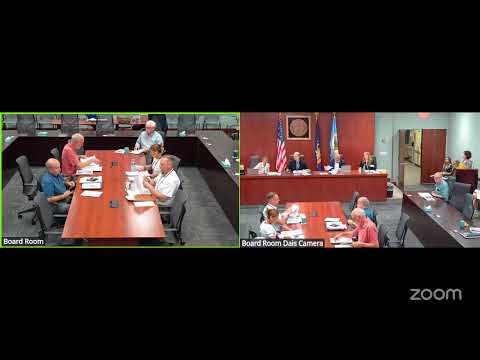
Warren County supervisors spent a large portion of Thursday's Health Services Committee meeting discussing kratom and related inhalants, hearing legal and policy updates and agreeing to draft a letter encouraging the governor to sign a state bill that the committee said had passed both houses.
Rob York, director of community services, reopened the item and said county staff had been researching both the natural kratom leaf and synthetic kratom compounds. York said he had received outreach from Allison Smith, director of governmental affairs for the Global Kratom Coalition, who is "interested in joining the conversation." York described the coalition as generally opposed to banning the natural leaf while opposing synthetics.
"So I'm not sure if everyone's tracking this, but the DEA just scheduled kratom temporary schedule as Schedule 1," the county attorney said during the discussion, adding the scheduling should take effect Aug. 1. The attorney cautioned that the DEA action and any forthcoming model laws are likely to influence state and local options.
Supervisors questioned enforcement authority and whether local measures would be superseded if the state adopts similar rules. "If it's Schedule One, who has the authority to enforce it? Does our local sheriff have the ability to enforce that?" one supervisor asked. County counsel and York said guidance and implementation details will follow the federal and state actions.
Multiple supervisors said they supported drafting a strongly worded letter urging the governor to sign the bill that the committee described as having passed both legislative chambers. The committee agreed to put drafting the letter on the agenda for an upcoming meeting and to finalize wording through the chair and county staff.
Why it matters: The discussion centered on how federal scheduling and state law could affect local policy making and enforcement. County officials emphasized the practical difference, as discussed in committee, between banning synthetic kratom compounds (the focus of the pending state bill) and banning the natural leaf, which some local vendors have sold.
What remains open: The committee did not adopt a local ordinance at the meeting; members agreed to draft language for a letter of encouragement to the governor and to revisit the item. The attorney and York said they would monitor federal model laws and any official guidance before recommending a local ordinance or other enforcement steps.