Get Full Government Meeting Transcripts, Videos, & Alerts Forever!
Get email alerts on the Wildlife Management topic
No spam. Unsubscribe anytime.
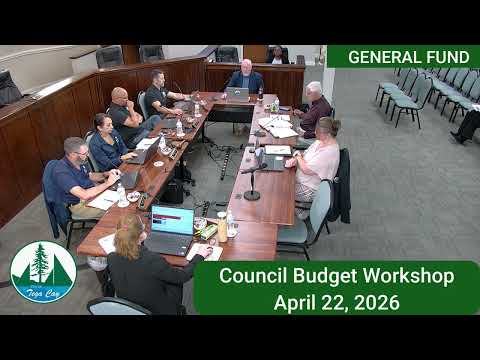
Council puts $50,000 into wildlife management line after debate on survey vs. culling
Summary
Council discussed alternatives for its wildlife management program — from survey-only to culling or sterilization — and directed staff to include a $50,000 line item this year, prioritizing survey work and data-driven decision-making.
Council debated how to fund and operate the city’s wildlife-management program, focusing on deer counts, the need for multi-year data and whether the program should budget for active removal or rely on surveys and mitigation.
Joey (city staff), who briefed council, recommended carrying at least $6,000 in next year’s budget for a deer survey and explained a larger mobilization for removal would cost substantially more: “you’re looking at a cost of 25,600 for 4 nights because in order for it to be worth his time and his processor’s time, that’s what it’s gonna cost,” he said, describing a scenario to target roughly 40 deer.
Councilors emphasized that the city’s wildlife-management program is broader than culling: the mayor said the program is “not a culling program” and that decisions should be data-driven and consider ecological impact, grazing damage and community concerns. Several council members argued for a funded, non-reactionary baseline so staff could act without scrambling for money if conditions change.
After discussion, council directed staff to include $50,000 in the wildlife-management line for planning and contingencies while ensuring a survey is completed; staff said they would add the number to the budget worksheets and re-upload the spreadsheets so formulas would adjust automatically.
Council and staff also agreed the program’s future actions should be guided by survey results and other impact measures, with further decisions expected once new transect data are available.