Get Full Government Meeting Transcripts, Videos, & Alerts Forever!
Get email alerts on the Water And Sewer Rates topic
No spam. Unsubscribe anytime.
Council hears proposed TCUD water base‑rate increase and Rock Hill sewer pass‑through; staff says households can expect about $10 more monthly
Summary
Staff presented proposed TCUD fee schedule changes including a one‑time base water‑rate increase and an 8% pass‑through sewer increase from Rock Hill; officials said the combined effect will be roughly a $10 monthly increase per household and that fee schedules would take effect July 1 with customer notice.
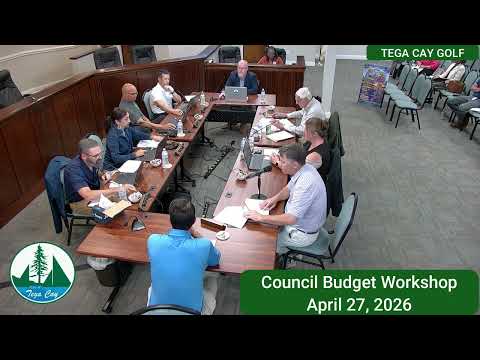
City Manager Charlie presented TCUD's proposed fee schedule changes at the April 27 budget workshop, saying staff recommends updating water base charges for the first time in several years and passing through an 8% sewer increase notified by Rock Hill.
Charlie told the council the water base charge figures in the current materials show a movement of the base amount from about $11.81 to $19.14 per month on one line; he clarified in discussion that the base‑rate presentation includes multiple line items and that staff will provide a final, clear fee table for public notice. On sewer, he said the proposed change is a pass‑through tied to Rock Hill's notice and that the volumetric sewer rate would rise by about 8 percent. "We're proposing the base rate to go to $19.14 per month," Charlie said in the presentation, adding that staff will finalize and communicate exact effective dates and billing impacts.
Council members pressed for clarity on the household impact and when bills would reflect changes. Charlie said, depending on usage and irrigation‑metering, the combined effect of the proposed changes would be “roughly around $10” per household per month. He told the council fee schedules would become active July 1 and that TCUD billing systems and routine resident notifications would communicate the change.
Staff also explained drivers for the increases: aging meters that under‑report use, rising costs for meter replacements and sole‑source treatment or hauling costs that have increased, plus the requirement to maintain certain debt‑service coverage ratios with lenders. A council member asked for a line‑by‑line explanation of where new revenue will be used; Charlie pointed to higher meter and maintenance line items and singled out meter replacements and treatment/disposal contract increases as primary cost pressures.
Council asked staff to provide the final fee schedule and communication plan to residents in advance of the July 1 effective date.