Get Full Government Meeting Transcripts, Videos, & Alerts Forever!
Get email alerts on the Animal Services topic
No spam. Unsubscribe anytime.
Residents press Cobb County to fund spay/neuter, vet staff and surgical capacity in FY27
Summary
At a July 21 budget hearing, dozens of residents urged commissioners to retain three veterinary positions, fund prevention (vouchers, TNR, mobile clinics), and build high-volume surgical capacity into the new animal shelter to reduce intakes and euthanasia.
Many Cobb County residents used the July 21 budget hearing to press the board to invest more heavily in animal-services prevention, not just shelter capacity.
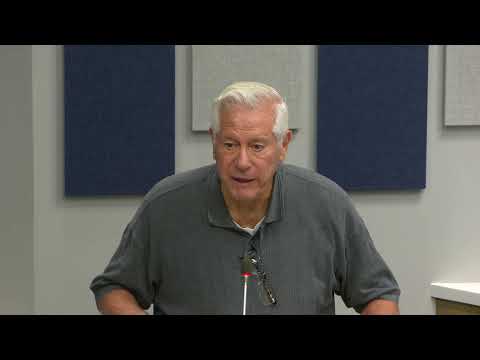
Residents repeatedly asked the board to keep the three veterinary positions proposed in the FY27 budget and to design the new animal-services facility with high-volume spay/neuter surgical capacity. “Keep the vet positions,” said multiple speakers; Ryan Cohote, who volunteers extensively, argued that prevention programs pay for themselves. “Your shelter took in 7,558 animals last year… That's about 570 ish dollars per animal per intake,” Cohote said, contrasting that figure with an $80 prevention cost he cited for a spay/neuter.
Speakers — including volunteers, fosters and former shelter staff — described an unpaid network of fosters and trappers that currently absorbs most prevention work and warned the county that relying on volunteers is not sustainable. “We will keep serving because the animals are here and someone must,” Rebecca Sussman said, asking the county to fund surgical capacity and voucher programs used by neighboring counties.
Multiple commenters asked that the new shelter be built to accommodate community surgical work and that the county create a dedicated prevention line in the budget. Several residents also suggested partnerships with existing clinics, mobile clinics, and voucher expansions to make spay/neuter accessible to lower-income residents. Speakers cited intake and euthanasia figures to argue that prevention investments can reduce long-term shelter costs and animal deaths.
Why it matters: Animal-services spending affects county operating budgets, shelter outcomes and volunteer burnout. Commenters presented numbers and recommended concrete program changes — including voucher programs and TNR — that would change the county’s approach from reactive to preventive.
What’s next: The board will consider the FY27 budget, including the proposed veterinary positions and capital plans for the new shelter, at its July 28 meeting.