Get Full Government Meeting Transcripts, Videos, & Alerts Forever!
Get email alerts on the Housing Zoning topic
No spam. Unsubscribe anytime.
Cobb commissioners deny RM‑12 rezoning for workforce townhomes after debate over density and infrastructure
Summary
The board voted 4–1 to deny a rezoning request (Z‑12) that would have allowed RM‑12 workforce townhomes, after members cited concerns about density, traffic and infrastructure despite the applicant’s argument that the plan met county and federal fair‑housing goals.
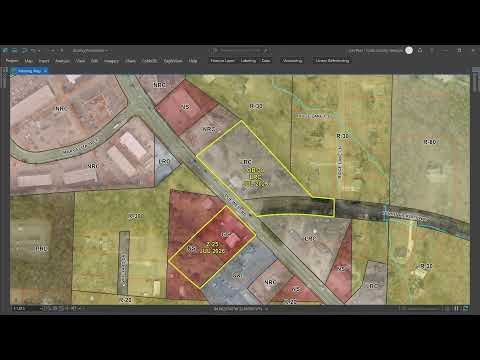
The Cobb County Board of Commissioners voted 4–1 on July 21 to deny rezoning case Z‑12, a proposal to rezone a parcel to RM‑12 for purpose‑built workforce townhomes.
The applicant’s representative urged the board to approve the change, saying the project aligned with the county’s 2040 comprehensive plan and future land use map and would deliver affordable, ownership‑focused homes for working households. “RM‑12 is the correct transitional density between commercial corridors and single‑family neighborhoods,” the representative said, adding that the developer had offered a recorded deed restriction to sell homes at or below 120% of area median income for five years.
District Commissioner Allen, who moved to deny the rezoning without prejudice, framed the issue as one of density and infrastructure rather than a lack of support for affordable housing. “This is not about affordable housing. This is about density and location and infrastructure and what this lot can accommodate,” Allen said during deliberations. He said the parcel’s physical constraints and neighborhood context made the higher density inappropriate in this location.
The applicant warned commissioners that reducing density could render the development financially infeasible and risk the county’s obligations under federal affirmatively furthering fair housing guidance. The representative said the RM‑12 scheme would privately fund required curb, gutter, sidewalk and a deceleration lane and argued a lower density would “kill a project that the community wants.”
After discussion, Allen moved to deny Z‑12 without prejudice; the motion was seconded and carried 4–1, with Chairwoman Cupid recorded as the sole opposition. The denial allows the applicant to return to the board sooner than after a straight denial, the motion stated.
Staff materials and the applicant’s presentation remained in the record; the district commissioner and applicant were directed to continue discussions about potential changes and mitigations before any return to the board.
What happens next: Denial without prejudice means the applicant may revise the proposal and return; there was no formal approval of any alternatives on July 21.