Get Full Government Meeting Transcripts, Videos, & Alerts Forever!
Get email alerts on the District Goals topic
No spam. Unsubscribe anytime.
Hardyston board frames four district goals and asks for measurable action plans
Summary
At an annual goal‑setting session the Hardyston Township School District board approved a framework of four goals — academic excellence, family & community partnerships, climate & culture, and safety/facilities/technology — and directed administrators to supply measurable action plans and quarterly updates.
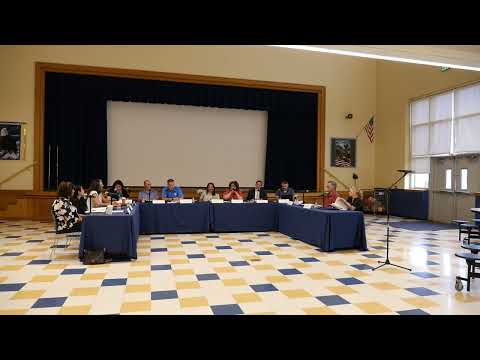
The Hardyston Township Board of Education spent much of its July meeting refining district and board goals and asking administration for clearer, measurable action plans. Facilitator Cathy Hellewood led the annual goal‑setting session and urged the board to treat goals as strategic guides, with separate, living action plans that administrators will implement and report on.
Administrators summarized progress on last year’s academic goals, noting use of interventionists, PLC‑style teacher collaboration, STEM enrichment and targeted interventions. Administrator Monica (presenting administrative updates) and incoming superintendent Jarlene emphasized the need to warehouse data and to strengthen MTSS (Multi‑Tiered System of Supports). Jarlene said the district spends about $71,000 on instructional tools and asked the board to ensure the district makes fuller use of data those tools generate so teachers can group and target instruction more effectively.
Several board members pushed for specific, measurable objectives tied to the broad goals. Curriculum chair Carrie pressed that gifted and talented programming not be diminished by equity policy changes and asked that gifted programming be evaluated in the curriculum committee. One member recalled past “merit goals” that set percentage‑point improvement targets and asked whether similar metrics could be used here.
On community engagement, board members and administrators discussed more frequent public recognition of student and staff achievements, better use of the website and social media, and partnerships with local organizations and the PTA to increase family participation. The board supported making family and community partnerships a visible priority.
On climate and culture, administration reported completion of a district climate survey (responses from parents, staff and students in grades 3–8) and said a school climate survey team will analyze results and propose actions. The board recommended ongoing recognition for staff and students and a regular process for soliciting input from students, staff and parents.
On facilities, technology and finance, the board asked administration to develop a three‑year technology plan and a three‑to‑five‑year facilities plan and to continue exploring shared services for maintenance and special‑education transportation. Members noted a vulnerability in having a technology staff of one and discussed regional options or shared agreements as contingency planning.
Next steps: the board agreed to approve formal district and board goals at the next public meeting and asked administration to provide action plans and a schedule for quarterly reporting so the board can track progress. Hellewood recommended that the goals be used as part of the superintendent evaluation framework moving into the school year.
The conversation closed with broad support for the four goal areas but repeated requests for measurable objectives and more timely data to support quarterly board reviews.