Get Full Government Meeting Transcripts, Videos, & Alerts Forever!
Get email alerts on the Parking topic
No spam. Unsubscribe anytime.
Hood River council debates changes to downtown hotel parking pass as summer season nears
Summary
Councilors heard months-long user data and competing business testimony May 11 and asked staff to return with interim changes — on price, hours and eligible streets — while folding a broader update into a planned parking study.
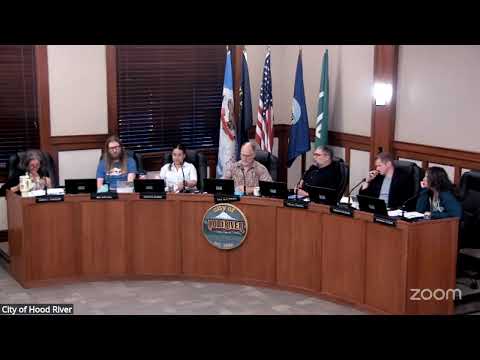
The Hood River City Council spent much of its May 11 meeting weighing whether to change a longstanding hotel parking pass program that business owners say helps visitors while some retailers say it reduces daytime parking turnover.
Councilor discussion centered on three levers: price, permitted locations and hours. Hotel owners including Loch Litwer, co-owner of the Lightwell Hotel & Spa, told the council the pass steers guests away from core retail blocks and provides convenience for guests and business travelers. "The pass is not valid on Oak Street… it steers our guests to secondary streets," Litwer said, adding that some guests use the pass only part of the day.
Retail and building owners said the daily passes can fill curb space and displace short-term shoppers and service users. Bradford Perrone, who owns downtown commercial property, said the passes result in blocks of long-staying vehicles that make loading and retail access harder for employees and customers.
Staff member Abigail told council the pass has evolved since at least 2014 and is currently sold in blocks of 100; Lightwell has been buying large quantities. The city charges the pass based on an eight-hour parking day even though the pass allows up to 10 hours of use, creating an implicit subsidy. "It's a 10-hour pass, but we just charged an 8-hour day," Abigail said.
Councilors discussed short-term fixes they could adopt before a full study update — for example, changing price to better reflect hours used, limiting eligible streets, or limiting quantities per hotel — and several members urged staff to work with lodging operators to identify practical interim changes. Councilor Gaethje suggested using existing parklet pricing as a model so the pass reflects actual hours used.
Rather than eliminating the pass, most councilors favored either modest near-term adjustments or folding the question into a more comprehensive update to the city’s 2019 parking study, which the council has proposed funding in the upcoming budget. Staff said a limited update is budgeted for this winter and that more extensive field counts would increase cost and require a clear scope. Council asked staff to return with recommended interim options and a timeline for a scope to be considered before the busy season.
The council did not vote on a specific change to the program at the meeting; it directed staff to convene with lodging representatives and bring back feasible interim options along with recommendations for including the issue in the parking study update.