Get Full Government Meeting Transcripts, Videos, & Alerts Forever!
Get email alerts on the Public Lands Policy topic
No spam. Unsubscribe anytime.
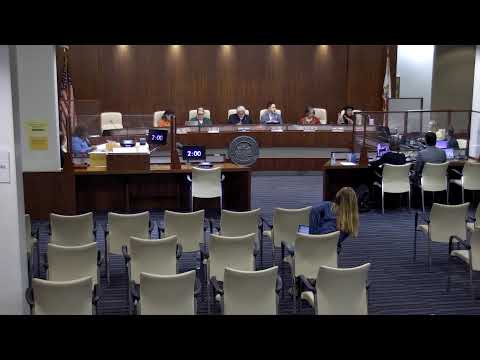
Council tables proposed public‑lands labor standards policy after unions and staff fail to reach agreement
Summary
Building trades and union representatives urged strong local‑hire, prevailing wage and project‑stabilization terms for city land dispositions; city staff and the port requested more time for legal and implementation review. Council voted to table the draft policy for further negotiation.
A proposed Public Lands Policy that would have tied local hire, prevailing wages, apprenticeship, healthcare and project‑stabilization agreements to major developments on city land was tabled July 21 after a lengthy public and staff exchange.
Union negotiators presented the draft policy as a nine‑month negotiation product designed to secure career pathways and living wages for Richmond residents on projects using city land or subsidies above specified thresholds. "We created it to ensure local workers have family‑sustaining wages and protections while building the community where they live," said EJ Seier (Sheet Metal Workers Local 104), who described thresholds that trigger prevailing wage, apprenticeship requirements and, for large projects, project stabilization agreements.
City staff and the port raised practical concerns about implementation, grant eligibility, impacts on specialized port contracts, definitions of city subsidy and valuation, effects on small local businesses, and potential legal exposure. Staff asked for more time to finalize consistent definitions and compliance procedures, particularly for port and federally funded projects.
After public comment and a staff presentation of outstanding issues, the council voted to table the policy to allow further staff‑union negotiations, with a timeline request to return updates to council. The motion passed with a single No vote from Council member Zepeda; councilmembers emphasized the goal of protecting jobs while preserving project feasibility and avoiding legal conflicts with federal or state funding restrictions.
Council directed continued negotiation between staff and labor and asked for clearer definitions of thresholds, valuation methods and alternative compliance pathways for specialized projects.