Get Full Government Meeting Transcripts, Videos, & Alerts Forever!
Get email alerts on the Historic Preservation topic
No spam. Unsubscribe anytime.
Resident urges Mesilla to pursue "Endangered Latinx Landmarks" nominations to protect agricultural heritage
Summary
A resident asked the commission to support nominations to Latinos in Heritage Conservation’s Endangered Latinx Landmarks program to draw attention, funding and education toward Mesilla’s agricultural landscapes and Latinx heritage, noting a May 17 deadline for related nomination workshops.
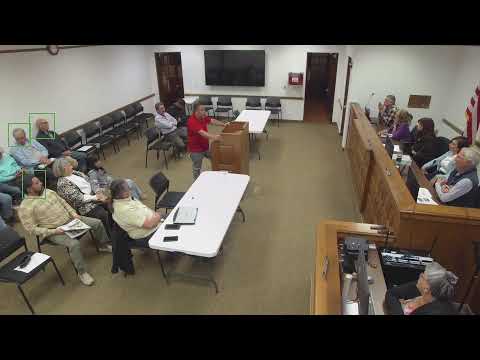
A community member presented the commission with a proposal to nominate agricultural properties and cultural landscapes in the Mesilla area to a program called Endangered Latinx Landmarks, led by Latinos in Heritage Conservation.
The presenter described the effort as primarily an awareness-building nomination rather than a formal National Register listing: "It's not an actual nomination as, as it would with the national register or anything like that. It doesn't require any any hard guidelines or anything" (Resident/Presenter, speaker 1). She said the program "rally[s] communities and gather[s] public attention and resources to safeguard these other landmarks" and argued Mesilla’s agricultural history and cultural landscape merited attention: "It's 1 of our main, backbone to the town" (Resident/Presenter, speaker 1).
The presenter cited potential benefits including visibility to reporters, federal attention and possible funding for an agricultural education or cultural center. She noted the program’s deadline for a nomination-related workshop is May 17 and encouraged commissioners and residents to participate; commissioners responded with procedural questions about boundaries, verification and how the town’s preservation process interacts with the state historic preservation officer.
Commissioners and staff clarified that nominations would be vetted with a local checklist and the commission could help verify eligibility: "There is a checklist that miss Diana actually have that she goes through to make sure that it meets the minimum requirements" (Clerk/Staff, speaker 4). Commissioners raised concerns about the limits of local authority over property once identified—especially where parcels are no longer actively farmed—and about how protections for landscapes would interact with property rights and short-term-rental rules.
The presenter emphasized collecting oral histories and primary resources, and offered to convene volunteers to assemble narratives and documentary evidence for nominations. The meeting record shows commissioners offered procedural support and suggested possible follow-up including site verification visits and using the comprehensive plan’s corridor mapping to inform nominations.
The commission did not take formal action on the nomination request at this meeting; the item was discussed in the public-comment/presentation portion of the agenda and staff offered to help coordinate next steps and training resources.