Get Full Government Meeting Transcripts, Videos, & Alerts Forever!
Get email alerts on the Historic Residential topic
No spam. Unsubscribe anytime.
Commission debates RV limits and historic residential rules; omits a fixed temporary stay period
Summary
The commission discussed draft historic‑residential design standards that would restrict using RVs as permanent dwellings and prohibit RV storage in front or side setbacks adjacent to public streets; commissioners removed the specific 14‑day temporary stay provision because enforcing a time limit proved difficult.
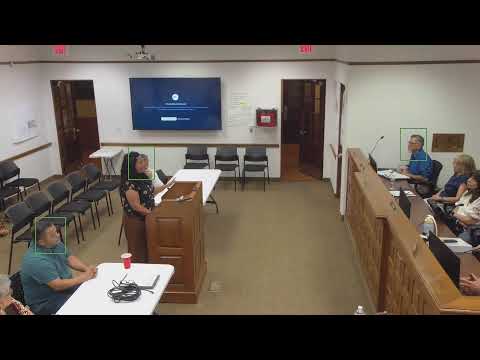
Commissioners reviewed proposed historic‑residential development language on June 15 that would prevent recreational vehicles (RVs) from being used as permanent primary dwellings and would prohibit RV storage within front or side setbacks adjacent to public streets in historic zones.
Staff explained the draft originally included a 14‑day limit on using an RV as a dwelling, but several members argued the term "temporary" is subjective and hard to enforce. Commissioners and staff agreed to remove the explicit 14‑day rule from the draft and focus enforcement on objective signs of permanency — such as utility hookups, fixed foundations, extensive landscaping or fencing — rather than counting days. "I think the whole deal of this part is... we don't want anybody living in an RV... they're only supposed to be living in a [visitor/temporary] situation," staff said, adding enforcement will look for evidence of permanency like hookups or structures.
The commission also discussed public‑view standards in historic zones and whether some storage allowances should differ by zone (historic plaza vs outlying areas). Staff noted cross‑contamination and backflow concerns if temporary utility connections are allowed for vehicles with water hookups. No regulatory language was adopted; commissioners left the specific temporary‑use wording out pending further clarification at the pending public hearing.