Get Full Government Meeting Transcripts, Videos, & Alerts Forever!
Get email alerts on the Variances Code Interpretation topic
No spam. Unsubscribe anytime.
Mesilla trustees discuss tightening variance procedures and reducing 'case‑by‑case' unpredictability
Summary
At a March 23 work session trustees and staff examined when variances are required, whether more ordinance amendments are needed, and short‑term operational fixes (a review committee, administrative approvals) to reduce delays and perceived favoritism.
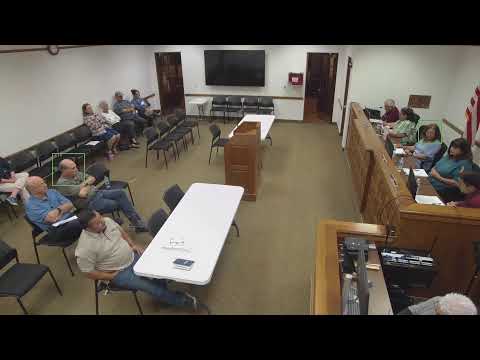
Trustees and town staff used a March 23 work session to press for clearer rules and processes around variances and nonconforming uses after several recent contested cases.
Community Development Director Eddie Salazar framed the issue: when a use or sign is not explicitly permitted by the code, should an applicant be required to pursue a variance that triggers a hardship test, or should the board accept some matters administratively or via ordinance amendment? Salazar cited provisions in Title 18 and an exception for bulletin boards for public, charitable or religious institutions.
Trustees and residents raised two central concerns: (1) a sustained pattern of ad hoc, case‑by‑case approvals can create a perception of favoritism, and (2) relying on temporary resolutions rather than codified ordinance changes invites future inconsistency. One trustee warned that "case by case basis, that's scary to me because it's gonna bite us later on," pressing for a plan to amend ordinances where requests are frequent.
Possible short‑term fixes discussed included re‑creating a small review committee (public works, fire, planning and zoning, a trustee representative), improving electronic file and reporting systems so staff can identify recurring issues, and permitting administrative approvals for clearly noncontroversial items to reduce delay for businesses. Staff cautioned that a comprehensive update of Chapter 18 would be costly and time consuming, but several trustees said targeted amendments or clearer guidance would reduce repeated variance requests.
Trustees did not adopt an ordinance change that evening but asked staff to return with a proposal for: (a) a two‑tiered intake and review process for ambiguous applications, (b) options for a small review committee or expedited electronic consultation, and (c) a prioritized list of ordinance sections that need amendment to reduce ad hoc decisions.
Why it matters: Board direction on variance handling affects local businesses and property owners who depend on timely zoning decisions; inconsistent interpretations of the code are a recurring theme in public testimony and staff reports.