Get Full Government Meeting Transcripts, Videos, & Alerts Forever!
Get email alerts on the Volunteer Fire Departments topic
No spam. Unsubscribe anytime.
Mills County workshop: commissioners propose larger allotments for volunteer fire departments amid rising insurance costs
Summary
Volunteer fire departments told the commissioners they face sharply higher insurance and fuel bills and rising call volumes; commissioners proposed preliminary allocations (e.g., $10,000 for several departments, $20,000 for the largest) subject to certified tax numbers.
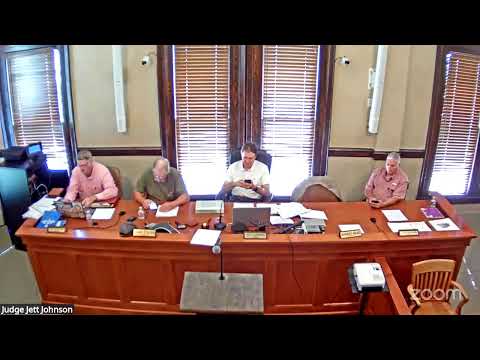
At a July 21 budget workshop, volunteer fire department leaders urged Mills County commissioners for more operating support as insurance, fuel and equipment costs climb.
The appeals came from local volunteer chiefs and department representatives, who said rising insurance premiums and higher fuel and maintenance expenses are squeezing already lean budgets. A volunteer representative told the court, “We—re running in one month 100 to 150 something a year; man hours, 900 to 1,600,” and described roughly 1,500 volunteer hours a year from 31 volunteers.
The commissioners discussed options for distributing county support across departments. After hearing cost breakdowns and destination-specific requests, the presiding official proposed a preliminary allocation of $10,000 for three smaller departments and $20,000 for the largest department, with the caveat that final numbers depend on certified appraisal/tax figures to be released later this week. The presiding official said, “Let—s do 10, 10, 10, and 20 right now,” and asked staff to revisit the numbers once the certified values arrive.
Why it matters: Volunteer fire departments supply frontline emergency response in much of Mills County, especially for traffic-control and rural medical and rescue calls. Commissioners said they want to balance fairness with need and noted insurance increases as the principal driver of budget growth.
Commissioners debated distribution methods — equal dollar amounts versus percentage increases — and discussed trade-offs between covering insurance policy increases and supporting equipment maintenance or hiring short-term contractors for high-risk dam or structural work. One commissioner noted that the largest departments carry more vehicle and traffic-control responsibilities and therefore higher operating costs; another urged parity across departments to avoid year-to-year inequities.
Next steps: Commissioners asked county staff to prepare updated figures tied to certified appraisal numbers and to place the item on a future agenda for final budget adoption. The court did not take a formal vote in the workshop; the allocations discussed are preliminary guidance pending certified numbers.