Get Full Government Meeting Transcripts, Videos, & Alerts Forever!
Get email alerts on the Land Use topic
No spam. Unsubscribe anytime.
Irvington zoning board hears heated opposition to variances for 76 North Broadway; no final vote
Summary
Residents and the applicant debated variances for a proposed 76 North Broadway project — including encroachments into MFO setbacks, a Broadway buffer plaza and curb cut width — and the board adjourned without a final decision amid recusal and quorum questions.
A zoning board hearing on variances for a proposed development at 76 North Broadway drew lengthy presentations from the applicant, technical objections and broad neighborhood opposition Thursday; the board did not take a final vote and adjourned to next month amid questions about recusal and quorum.
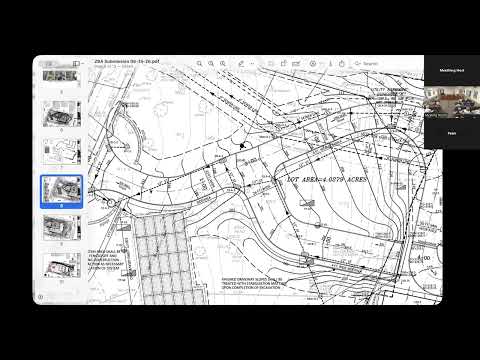
Catherine Zelandes, attorney for the developer, told the board the proposal would place one building on an approximately 4-acre site with a school use and 53 multifamily units, and that "Of those 53 units, 6 would be fair and affordable units, and 6 would be moderate income units." She outlined three variance categories referred by the building inspector: MFO yard setbacks (50-foot side, 250-foot front from Broadway), a Broadway buffer provision and a site-plan provision concerning driveway width, and argued some features are exempt where they provide direct building access.
Opponents and neighbors urged the board to scrutinize buffer intrusions, tree removal, historic stone-wall work and traffic effects. Adam Stolaro, who submitted an opposition letter, challenged the applicant’s reliance on the planning board’s environmental finding and told the zoning board: "The neg deck does not have an effect. It wasn't filed." He argued that the planning board’s exemption does not necessarily bind other involved agencies and that grading and above-ground drainage features within the 125-foot Broadway buffer would require variances and substantial environmental analysis.
Neighbors described safety and character impacts that they expect the project would produce if built as shown. "This proposal simply doesn't belong here," said Luke Jorger in a prepared statement, citing removal of mature trees, changes to historic stone walls and increased traffic on Broadway. Other nearby residents said they fear the proposed plaza and a HAWK crosswalk (an on-demand pedestrian signal) will generate noise and chaotic stop-and-go traffic at an already-busy location.
The applicant said some encroachments are minor or exempt: sidewalks and stairways required for fire-department access, flush drainage inlets and certain driveways permitted by the planning board. Zelandes also cited tree counts from the planning-board negative declaration, saying the submission estimated removal of 76 trees (29 in the Broadway buffer) and proposed planting 184 new trees, including 27 inside the buffer. "There will be screening on day 1," she said when asked about replacement plantings and offered photo simulations of year 1 and year 10 growth.
A point of contention concerned the proposed curb cut on Broadway. Opponents asserted a much wider opening than the applicant described: one speaker said it measured "92 foot" from outer curb to curb; the applicant said it is 26 feet at the property line and that a wider apron exists in the public right-of-way. Neighbors said even the narrower measurement would increase turning conflicts and queuing on Broadway.
The board’s procedural role was a repeated theme: the chair reminded the room the board was limited to deciding the variances referred by the building department and could not resolve every planning or traffic question now pending. After public comment and a lengthy exchange among board members about substance and possible conflicts of interest, the chair said he would move to approve the variances; the meeting then turned to questions about whether a member should recuse and whether the board had legal capacity to vote. The chair ultimately adjourned the hearing to next month without a final vote.
At the start of the meeting the board approved last month’s minutes by motion. The applicant and opponents were advised they may return with supplemental records and that some matters (notably planning-board site-plan approvals and DOT sign/timing approvals for the crosswalk) remain outside the zoning board’s direct authority.
The zoning board will reconvene to continue consideration of the variances next month; the town attorney is expected to be consulted on the recusal question before any final action.