Get Full Government Meeting Transcripts, Videos, & Alerts Forever!
Get email alerts on the Public Health topic
No spam. Unsubscribe anytime.
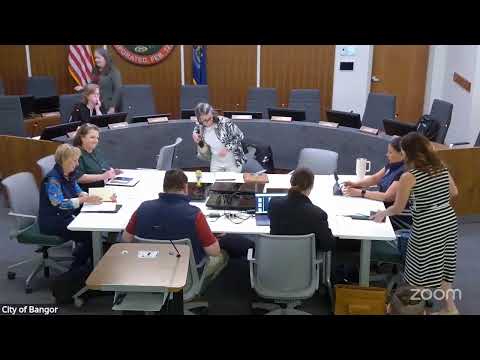
Councilors split over proposed 180‑day moratorium on new syringe-service and clinic expansions; motion fails
Summary
A proposed 180‑day moratorium on new syringe-service programs and certain clinic expansions prompted a lengthy debate between councilors seeking more local control and public-health officials who warned it could hinder outbreak response and carry legal risk. The moratorium motion failed on a 3–2 roll-call vote.
Councilor Fish introduced draft ordinances proposing a 180‑day moratorium on new syringe-service programs (SSPs), needle-exchange sites and certain clinic expansions to give the city time to gather data and coordinate with state partners. She said Bangor is a service center and that the moratorium would create time and leverage for collaboration with other municipalities and the state.
Public-health director Jennifer Gonderman and harm-reduction providers urged caution. Gonderman summarized the evidence base for SSPs and said they are important public-health tools for preventing HIV, hepatitis C and other outcomes; she warned that constraining new programs during an outbreak could limit outreach and testing. A harm-reduction representative described certification and funding constraints for SSPs and said most programs would not be launched by outside entities seeking to "come in" for profit.
Several councilors raised legal concerns, citing a prior federal court case that found city rules treating methadone clinics differently were discriminatory under the Americans with Disabilities Act. Counsel and multiple councilors warned that a moratorium that inhibits services for people with federally protected disabilities could expose the city to litigation.
Councilor Beck moved passage of a motion (procedural language tied to continuing the conversation); after debate the roll-call result was 2 yes, 3 no and the moratorium motion failed. Council members agreed the subject should remain on the agenda for further study, with staff and health partners asked to provide additional data on needle waste, certification processes and the existing providers' capacity.