Get Full Government Meeting Transcripts, Videos, & Alerts Forever!
Get email alerts on the Community Public Safety topic
No spam. Unsubscribe anytime.
Lincoln Hospital’s Guns Down, Life Up presents hospital‑based violence‑interruption model and asks Bronx boards for letters of support
Summary
Lincoln Hospital’s Guns Down, Life Up (GDLU) described its hospital violent‑interruption program, shared outreach data and success stories, and requested letters of support from Bronx community boards to justify expansion into additional catchment areas.
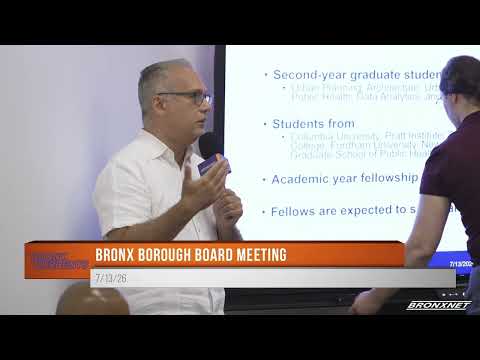
Lincoln Hospital representatives presented Guns Down, Life Up, a hospital‑based violence‑interruption program (HVIP), to the Bronx Borough Board and requested community‑board letters of support for Bronx expansion.
James Dobbins (self‑identified as director at Lincoln Hospital) outlined the program’s model: hospital responders provide bedside intervention after violent trauma and coordinate with outreach workers and community partners for ongoing follow‑up. Dobbins described GDLU as part of a citywide HVIP ecosystem and said Lincoln is one of multiple hospital sites collaborating on best practices.
Operational details: Will Mora, outreach supervisor, said the team currently includes four outreach workers (each with a 10–15 caseload), and reported roughly 8,256 engagements and 2,461 participant contacts during canvassing over the past six months. Mora and other staff said funding limits their ability to expand: the anti‑gun youth employment program had grown from 10 initial slots to 81 but still maintains a waiting list of about 170–180 youth while only having capacity for roughly 80 paid slots.
Hospital responder Maria Lopez, who said she is paged when gunshot and stabbing victims arrive, described tracking trends that spike in warmer months and recounted individual success stories: program participants who avoided retaliation, completed training and moved out of shelters into employment. The presenters emphasized their hands‑on model (bedside warm handoffs, youth ambassadors, peer recruitment) and urged boards to provide letters of support so the program can justify RFP‑based expansion and pursue additional funding and partnerships.
Why it matters: GDLU links clinical care to community violence‑prevention work and reports measurable outreach activity; board members raised funding, RFP allocation and sit‑at‑the‑table concerns about how catchment areas are chosen and how funds are distributed.
Next steps: GDLU requested letters of support from community boards across the Bronx to strengthen expansion proposals and said it will circulate flyers and follow‑up materials to board staff.