Get Full Government Meeting Transcripts, Videos, & Alerts Forever!
Get email alerts on the School Visit Policy topic
No spam. Unsubscribe anytime.
Committee debates school-visit policy and how officials should schedule visits
Summary
Committee discussed a draft school-visit policy that distinguishes general visitors from public officials, directs official visits through the superintendent to avoid disrupting instruction, and exempts parents visiting for student-related matters; staff was asked to clarify definitions and post conduct protocols at school entrances.
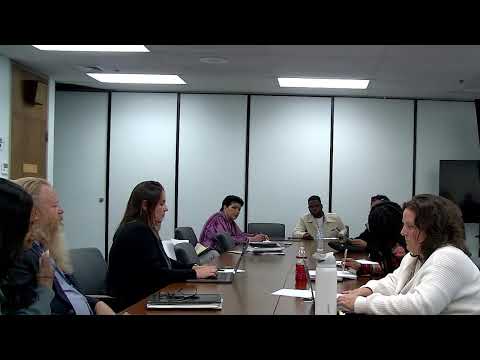
The Providence School Committee’s policy committee reviewed a draft school-visit policy that would require public officials and board members to route visits through the superintendent while allowing teachers and principals to manage classroom invitations and parent visits.
Members said the policy aims to protect instructional time and reduce the power imbalance that can arise when elected officials or high-profile visitors arrive unannounced. One member summarized the intent: "We have a pretty good process where they come through the superintendent," and several members argued principal notification is key to avoiding disruptions during testing or other instructional activities.
Why it matters: The policy determines how and when officials, parents and community members can enter school buildings and who coordinates those visits. That affects principals’ ability to manage school operations, teachers’ instructional time and families’ access.
Key points discussed included distinguishing 'general visitors' (prospective families, neighborhood or nonprofit leaders) who can request visits through principals, from 'public official' visitors (elected or appointed officials) who should notify the superintendent so central office can coordinate and principals are not forced to drop instructional activities. Members asked for a clearer definition of what constitutes an 'official visit' versus a classroom invitation and suggested explicit language saying the policy does not apply to parents, guardians or family members who come to support students.
Members also recommended practical steps to improve implementation: posting visitor-conduct expectations near school entrances, providing clear online links to visitor protocols and ensuring teachers and principals receive timely notice of any visitor approval or denial and the reason for denial. One teacher representative requested that when principals decline a request, teachers receive a written explanation of the basis for denial.
What’s next: The draft was not adopted; staff were asked to clarify definitions (official visit vs classroom invitation), add required notification steps for principals and teachers, and return the revised policy for committee review at the next policy meeting.