Get Full Government Meeting Transcripts, Videos, & Alerts Forever!
Get email alerts on the Wildlife Safety topic
No spam. Unsubscribe anytime.
Estuary Task Force director urges Cannon Beach visitors to keep distance from elk
Summary
Denise Lofman, executive director of the Columbia River Estuary Study Task Force, warned Cannon Beach residents and visitors that elk can be dangerous in certain situations and gave practical guidance — including a thumb test — for recognizing when people are too close.
Denise Lofman, executive director of the Columbia River Estuary Study Task Force and a member of the Clatsop Plains Elk Collaborative, used a public comment to warn Cannon Beach residents and visitors about increasing close interactions with elk and to offer practical safety guidance.
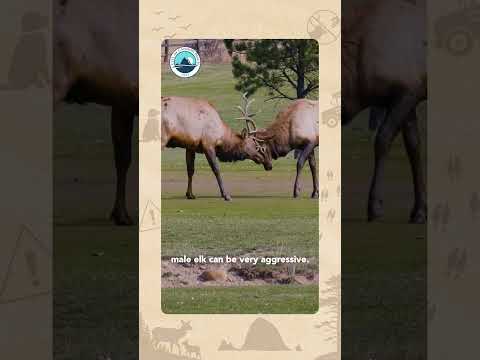
Lofman said elk can shift quickly from calm to dangerous and highlighted two high-risk situations: "If that elk is a mama with a baby, that mama is gonna be really protective," and male elk "in the fall, during rut, ... can be very aggressive." She emphasized the animals’ size and speed, noting that they "weigh close to a ton," and urged people to treat encounters cautiously.
Lofman recommended a simple visual rule to judge safe distance: "If you see elk in Cannon Beach, you wanna put your thumb up and see if you can cover the elk and close 1 eye. And if you can see any of the elk, you need to back away because you're definitely getting too close." She told people who find themselves suddenly near an elk to "back away slowly" and to avoid quick movements while trying to create as much distance as possible.
The warning is framed as guidance and public education rather than a proposal for formal regulation; Lofman identified her affiliations to underline her experience with elk–human interactions in urbanized coastal areas. She ended her remarks with a succinct safety admonition: "Too close is too late. Stay back and stay safe."