Get Full Government Meeting Transcripts, Videos, & Alerts Forever!
Get email alerts on the Ethics Reform topic
No spam. Unsubscribe anytime.
Rep. Brian Stile says House will vote on Stop Insider Trading Act
Summary
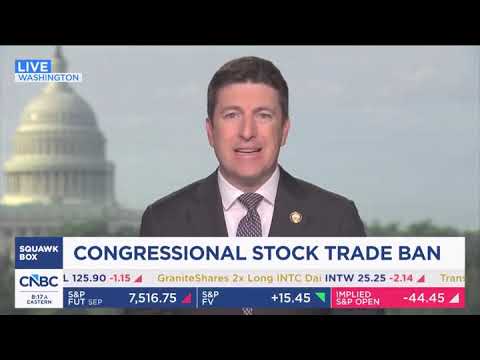
Rep. Brian Stile, chair of the House Committee on House Administration, said the House is expected to vote soon on the Stop Insider Trading Act, which would bar members, their spouses and dependent children from buying individual stocks and impose notice and penalty requirements.
Rep. Brian Stile, chairman of the House Committee on House Administration, said he expects the House to vote later this week on the Stop Insider Trading Act, a bill that would bar members of Congress and certain family members from purchasing individual company shares.
Stile said the bill “bans members from buying individual companies shares of stock, period, full stop,” and that it is designed to prevent members and their immediate families from profiting from information gained while serving in Washington. He said the measure was advanced by his committee earlier this year and that lawmakers have secured a commitment for a floor vote.
The bill, Stile said, would allow members to sell existing holdings but requires a seven-day advance notice for such sales. Penalties he described include either 10% of the sale or $2,000 (whichever is greater) and a disgorgement of profits.
When asked about criticism from some Democrats that the bill does not extend to the executive branch, Stile framed that objection as part of a broader debate over scope. “This is the Goldilocks challenge of Washington DC,” he said, adding that the goal is to take a meaningful step forward now and pursue additional reforms later.
Stile also described a spousal exception intended to protect household livelihoods: if a spouse’s primary employment involves trading for others (for example, a stockbroker) or if a spouse’s compensation includes company stock (for example, a corporate chief financial officer), those circumstances would be allowed under the proposal. Stile said the exception is meant to avoid barring ordinary private-asset ownership while blocking trades tied to inside information obtained through public service.
Stile called the measure “a meaningful and substantive step forward” and said he hopes the House will pass it overwhelmingly to build momentum for similar action in the Senate. The next procedural step he described was the scheduled floor vote.