Get Full Government Meeting Transcripts, Videos, & Alerts Forever!
Get email alerts on the Foreign Aid topic
No spam. Unsubscribe anytime.
Lawmaker says polling should not stop USAID aid as delays 'are costing lives'
Summary
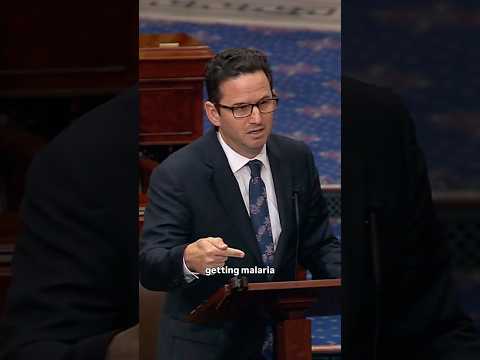
A lawmaker who said they represent the people of the state of Hawaii criticized reliance on polling when deciding foreign aid, saying USAID appropriations are not being executed quickly enough and that delays have human costs.
A lawmaker who said they represent the people of the state of Hawaii urged faster execution of U.S. aid programs, saying polling considerations should not prevent emergency assistance from reaching people in need. "I don't care if it polls well," the lawmaker said, arguing moral duty must trump political calculations.
The speaker said Congress had reestablished the principle that USAID, "in its new iteration, under mostly the State Department, is still a bipartisan priority," but charged that the State Department was not moving the money into the field. "People are still literally dying because we're not pushing this money out," the lawmaker said, tying execution delays to both geopolitical consequences and immediate human suffering.
The speaker rejected the argument, attributed to unnamed Democratic strategists, that Democrats should avoid action because "USA doesn't poll well," and said they would not let such concerns decide policy. The lawmaker also said they were "not deciding what to put into a 32nd spot" but rather "deciding how to use the power given to me by the people of the state of Hawaii," and urged colleagues to prioritize getting aid to people who need it.
The remarks consist of argument and appeal rather than a formal motion or vote recorded in the transcript. The transcript does not identify a legislative bill number, a vote, or an official response to the lawmaker's criticism.