Get Full Government Meeting Transcripts, Videos, & Alerts Forever!
Get email alerts on the Sewer Rates topic
No spam. Unsubscribe anytime.
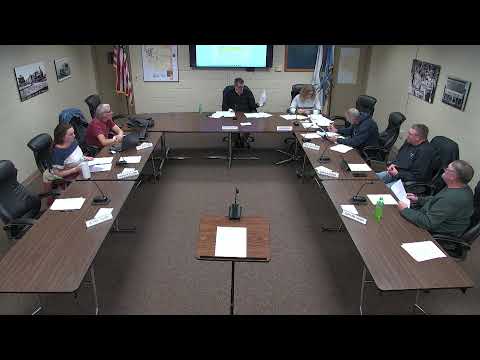
Freeman council considers removing October from sewer-rate averaging to avoid sprinkler-driven spikes
Summary
Councilors reviewed multiple high October sewer bills and asked staff to draft a first reading to amend the ordinance so October is excluded from the sewer summer-average calculation; they also discussed raising minimum rates to meet a $55-per-5,000-gallon state threshold for grant eligibility.
The Freeman City Council moved Wednesday to direct staff to draft ordinance language removing October from the sewer summer-average calculation and to prepare a related resolution for staged annual increases to the utility rate schedule. Chair said, “We can't do anything this meeting, but I would recommend ... put a new 1st reading and change the ordinance to just basically take October off,” and asked the clerk to prepare the paperwork for the next meeting.
Clerk (reading account details) identified several October bills that depart from summer averages and cited specific account amounts, which prompted concern that irrigation and sprinkler use in October are artificially inflating some residents' sewer charges. Council members discussed replacing the October reading with a five-month summer average for the October billing month and whether the change should be by ordinance or resolution.
Members also focused on a state threshold discussed as a practical target for grant eligibility: the council repeatedly referenced a $55 minimum charge for 5,000 gallons as the baseline used by some state programs. One councilor said the city should “marry out the base and whatever percentage we want to do to get to 55,” and several members favored a staged approach (small yearly increases or percentage indexing) rather than a single large hike that could burden low-income households.
Councilors asked staff to return with a draft first reading (for ordinance items that must change) and a resolution (for annual percentage indexing or administrative adjustments) at the next meeting, and set a follow-up timeline that includes a first reading on the proposed ordinance. The council noted the next meeting date and outreach steps so residents can review proposed changes ahead of formal action.