Get Full Government Meeting Transcripts, Videos, & Alerts Forever!
Get email alerts on the Legal topic
No spam. Unsubscribe anytime.
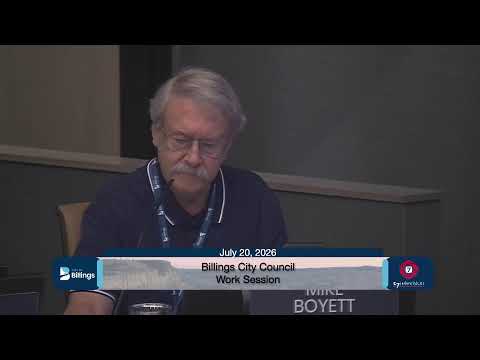
City attorney outlines civil litigation process and limits on confidential communication
Summary
The city attorney's office briefed council on its role defending the city, stages of civil litigation (claims, preservation, discovery, depositions, motions, settlement), constraints on sharing confidential litigation strategy with council (charter and ethics-based limits), and why outside counsel and MMIA insurers handle most litigation.
The Billings city attorney and civil team gave a detailed briefing on how the city handles civil litigation, the office's functions, and the limits of communication.
City Attorney staff described their roles—legal advice to the mayor, council and departments; ordinance and contract review; and litigation oversight—and introduced team members who outlined practical steps in civil cases: initial service and answer deadlines, preservation obligations (litigation holds), discovery and deposition processes, motion practice, trial risks, settlement considerations, and appeals. The presenters emphasized the need to preserve evidence and warned that casual or off‑hand communications can create problems once litigation is anticipated.
The office also explained professional and charter-driven limits on communications: attorneys must preserve client confidentiality and typically communicate litigation strategy through the city administrator rather than directly to the full council, to avoid creating privileged disclosure issues or running afoul of the city charter. The presenters described how MMIA (the municipal insurer) controls defense counsel selection under contract and usually indemnifies settlements within policy limits. Staff said about 23–25 matters were active or anticipated; most are covered by MMIA.
Why it matters: Council members frequently interact with staff and the public on legally sensitive topics. The briefing clarified who should receive confidential litigation strategy and why the city sometimes uses outside counsel despite in-house capability. It also underscored the administrative burden of preserving records and responding to complex public-records requests.
What to watch next: No policy action was requested at the session, but the presentation signaled areas where councilors should coordinate with the city administrator and city attorney if legal claims arise.