Get Full Government Meeting Transcripts, Videos, & Alerts Forever!
Get email alerts on the Data Centers topic
No spam. Unsubscribe anytime.
Residents, council consider short moratorium on data centers amid concerns about AI infrastructure
Summary
Warner Robins residents urged caution about data centers and council members signaled support for a six-month moratorium to study impacts including utility demand, land use and hardware supply chains.
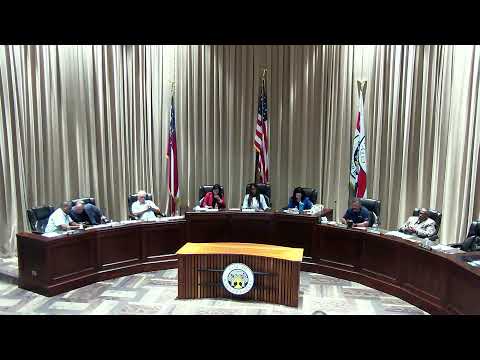
Warner Robins city council heard multiple public comments July 1 pressing the city to study the local impacts of proposed data centers and to consider a temporary moratorium on new permits.
A resident and repeated speaker, Andrew Davidson (404 Duke Avenue), described how modern AI data centers operate and why the hardware matters: "Inside are thousands upon thousands of GPUs," he said, adding that GPUs provide the massive computational power that enables AI and that conversation should move beyond water use and tax incentives to consider the full technical footprint.
Roshanda Bailey, a local renter and educator, told council she opposed hosting a data center in Warner Robins and asked bluntly, "Who's gonna pay the taxes? It's gonna take more than location." Bailey said she worries about increased utility costs and broader social effects, including educational impacts if students rely on AI rather than learning core skills.
Several council members supported pausing new data-center requests to permit study. One council member thanked staff for proposing a moratorium and said a six-month pause would allow the city to "research and study, even define it," and develop locality-specific policy or requirements for developers.
Mayor Patrick said the moratorium would "press pause and not move forward with any request for a data center" for a term set by the council, enabling the city to do due diligence, define policies, and identify requirements or prohibitions for future proposals. No final ordinance text was adopted at the July 1 meeting; councilmembers described the moratorium as forthcoming business that will be considered at the next meeting.