Get Full Government Meeting Transcripts, Videos, & Alerts Forever!
Get email alerts on the Labor topic
No spam. Unsubscribe anytime.
Seattle proclaims Hotel Worker Day; Unite Here members describe ongoing Embassy Suites strike
Summary
The council proclaimed July 21, 2026 Hotel Worker Day and heard from Unite Here Local 8 members on an ongoing strike at the Embassy Suites; workers described reduced hours, staffing and demands for year‑round health care and restored pre‑pandemic staffing.
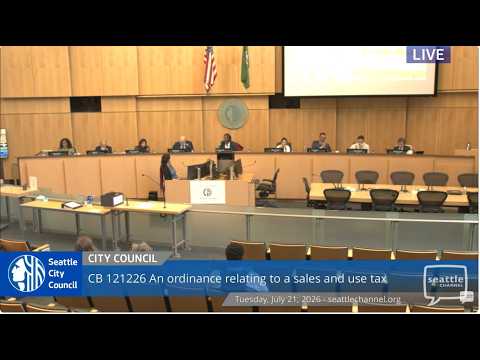
Seattle City Council suspended the rules to present a proclamation declaring July 21, 2026 as Hotel Worker Day and recognized hotel workers and organizers from Unite Here Local 8.
Council member Sara Foster introduced the proclamation, citing Seattle’s four hotel worker labor‑standards ordinances and calling for good‑faith negotiations in the Embassy Suites labor dispute. “Whereas workers at embassy suites have been on strike since June 18,” the proclamation text noted and urged the parties to reach an agreement.
Union members and workers addressed the council after the proclamation. Vivian Kibao, who identified herself as a housekeeper in the Embassy Suites food and beverage department, said she had been on strike for 34 days and described shortened shifts (about 30–35 hours most weeks), increased workload and exhaustion: “All I can do is lie down. That’s real,” she said. Other Unite Here speakers said management had offered a 40¢ raise and that workers are pressing for higher wages, year‑round health care, restored pre‑pandemic staffing levels and workplace protections for immigrant workers.
Multiple council members expressed support. Council member Strauss and others used phrasing such as “one job should be enough,” acknowledging the financial pressures hospitality workers face; several members said they had joined workers on picket lines and applauded their organizing. Council members affixed signatures to the proclamation, and the council declared the day officially recognized.
The proclamation is symbolic: council members said it puts political pressure on bargaining parties but does not change collective bargaining law. There was no formal legislative action beyond suspending the rules to present and sign the proclamation.
What happens next: the council’s recognition places public attention on the strike and affirms council support; bargaining and any potential contract changes remain between the union and employer.