Get Full Government Meeting Transcripts, Videos, & Alerts Forever!
Get email alerts on the Zoning Fence Setbacks topic
No spam. Unsubscribe anytime.
Planning commission recommends ordinance fix to allow fences on noncorner lots
Summary
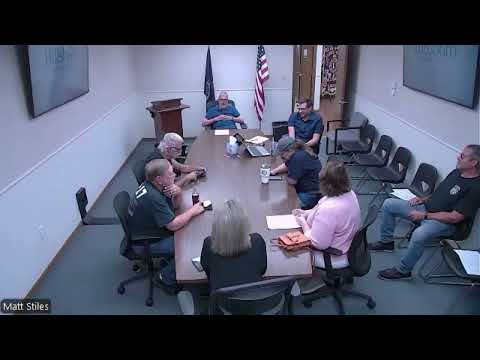
The Hillsboro Planning Commission voted to recommend an amendment to a fence-setback ordinance after staff said a drafting error unintentionally required a 5-foot street-facing setback on noncorner lots; staff said the correction will be forwarded to City Council for action in August.
The Hillsboro Planning Commission voted to recommend that City Council correct a drafting error in the city——s fence-setback ordinance that, as written, would require a 5-foot setback for street-facing fences on all lots, including noncorner lots. Staff told commissioners the language was unintentionally broad and did not reflect the earlier intent to apply the 5-foot setback only to corner lots to protect visibility and sidewalk clearance.
Staff member said the omission dated to July 2023 and explained that, if enforced strictly, the current wording could force property owners on noncorner lots to set fences off their property lines rather than allowing fences on side property lines. "When we did that, we said, OK, corner lots, there's a 5 foot setback from the curb or property line," the staff member said, adding that the proposed drafting change would limit that setback to corner lots only.
Commissioners discussed the safety and visibility aims behind the setback. A commissioner noted the rule was intended to keep fences off sidewalks and allow room for pedestrians and cyclists; another commissioner expressed that enforcing the current text literally would create an unintended 10-foot gap between fences on abutting properties in some cases.
After discussion, a commissioner moved that the Planning Commission recommend the highlighted correction to City Council; another commissioner seconded. The Chair called for a voice vote; commissioners answered "aye," there was no recorded dissent, and the Chair declared the motion carried. Staff said the change would move through the required public hearing process, include a 10-day waiting period, and could take effect at the City Council's second meeting in August.
The commission clarified there would be no informal administrative fee associated with granting an exception in an individual case. The Planning Commission's recommendation will be transmitted to City Council for consideration under the city's code-amendment procedures.