Get Full Government Meeting Transcripts, Videos, & Alerts Forever!
Get email alerts on the Assessments And Accountability topic
No spam. Unsubscribe anytime.
Harlandale ISD presenters report districtwide STAR/EOC gains and targeted supports for special populations
Summary
District coordinators told the board that STAR/EOC 'meets' and 'masters' rose across multiple content areas, with notable gains in 8th‑grade social studies and biology; staff credited instructional changes, formative checks and targeted interventions for emergent bilingual and special education students.
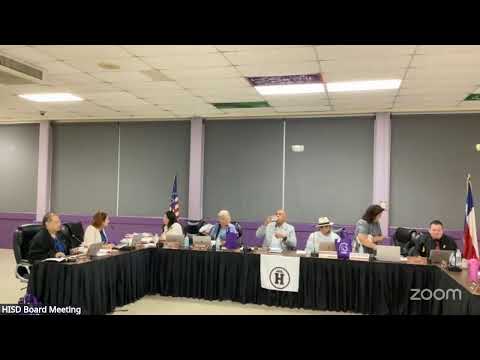
Harlandale ISD staff presented STAR and end‑of‑course (EOC) results at the July 22 board meeting, reporting measurable growth across subjects and student groups.
"Our STAR scores on meets increased by 10%," said Matt Simons, the district’s science coordinator, adding the district outpaced statewide growth by about four percentage points in biology. Justin Postos, secondary English language arts coordinator speaking for Robina Pantoja, reported that 8th‑grade social studies 'meets' rose by 6 percentage points and that US history 'meets' rose 4 points, with a significant increase in 'masters' performance.
Presenters credited instructional changes — more consistent curriculum pacing, six‑week assessments, instructional coaching and targeted supports — for the improvements. Staff said gains were visible across campuses and that special populations also showed progress: emergent bilingual and special education subgroups posted increases in 'meets' in several content areas. Presenters cautioned that some data remain preliminary (8th‑grade science cut scores and official campus ratings were not yet released).
Trustees asked for clarification about how the district calculates "overall" scores. A staff member explained that the overall rating is the average of approaches, meets and masters. The district said overall accountability ratings would be released in August and that it would present final district ratings once TEA releases them.
Board members praised teachers and administrators for the gains and asked for additional details on interventions for special education students; presenters pointed to collaborative PLCs and co‑teacher involvement as part of the approach. No formal board action was required for the presentations.