Get Full Government Meeting Transcripts, Videos, & Alerts Forever!
Get email alerts on the Comp Plan Update topic
No spam. Unsubscribe anytime.
Planner Janice Fleet urges caution as Keystone Heights begins comprehensive-plan update amid state law constraints
Summary
At a Oct. 15 Planning & Zoning workshop, presenter Janice Fleet outlined a reorganization of the 2011 comp plan, recommended removing analysis from the adopted plan, and warned Senate Bill 180 may void changes that are "more restrictive" than the Aug. 1, 2024 baseline; the board set a public-comment deadline and a late-Winter transmittal schedule.
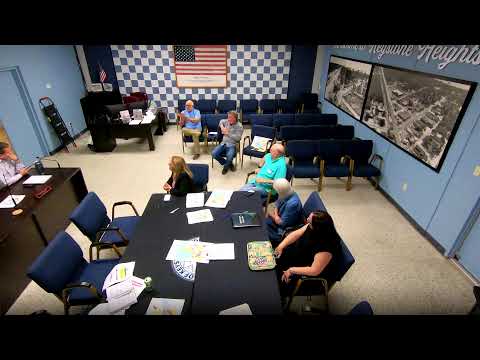
Janice Fleet, the presenter leading the Planning & Zoning workshop in Keystone Heights on Oct. 15, told the board the city must update its comprehensive plan to satisfy a state evaluation and appraisal report and that the state gave the city roughly one year after its May transmittal letter to act. "You get a year," Fleet said, summarizing the state timeline for an update.
Why it matters: Fleet told members the city's 2011 plan mixes goals and analysis; she recommended reorganizing the document so only goals, objectives and policies are adopted while technical analysis remains in a separate, non-adopted appendix. That approach, she said, makes the regulatory intent clearer and reduces the chances the state will reject portions of the plan that are technical rather than policy.
The state law constraint: Planning members highlighted a recent state law referenced in the workshop as Senate Bill 180, which Fleet and board members said prevents local governments from adopting comp plan amendments that are "more restrictive" than what existed on Aug. 1, 2024. "Your comprehensive plan is like the constitution," a committee member said, drawing a contrast between high-level policy and the implementing land development regulations. Fleet and others warned that some Florida communities' submissions were returned or voided under that standard and urged conservative edits to avoid inadvertently creating more restrictive standards that might be struck down.
Land-use specifics discussed: Fleet reviewed key sections of the draft plan. She said the city's residential category currently limits density to six dwelling units per acre and that height limits (35 feet, roughly three stories) are enforced through the land development regulations rather than the comp plan. On downtown mixed use, she described a per-block cap that effectively requires a 50/50 residential/commercial mix in parts of the downtown. Several members said that 50% residential requirement has blocked commercial expansion there and recommended considering making mixed use an option rather than a mandatory threshold.
Annexation and public input: Fleet reviewed annexation rules (contiguity required; voluntary annexation initiated by property owners), and the board discussed outreach options. Some members argued informal, small-town outreach had value; others urged broader stakeholder engagement to avoid sampling bias. Fleet said staff will prepare a table of contents and supporting materials to help members understand the proposed reorganization.
Next steps: Fleet proposed a schedule that includes a planning & zoning meeting Nov. 24, potential follow-ups in January/February, an official transmittal in March and council review in April. She requested written comments on the comp plan and map by Monday, Nov. 3, and said staff will prepare underline/strikeout drafts for review. "We can make changes up until adoption," Fleet said, but added that the board should be mindful of state constraints when proposing new restrictions.
Context and caveats: Board members repeatedly cautioned that moving provisions between the comp plan and land development regulations could trigger state review or conflict with Senate Bill 180. Fleet advised the group to prioritize minimal, carefully scoped changes now and to document longer-term policy ideas that could be pursued if state rules change.
The board did not take a formal vote at the workshop; staff will compile comments received by Nov. 3 and present revised language at the scheduled meetings ahead of transmittal to the state.