Get Full Government Meeting Transcripts, Videos, & Alerts Forever!
Get email alerts on the Public Safety topic
No spam. Unsubscribe anytime.
Fire departments run large-structure drill at Lighthouse Baptist Church as hydrant gaps force tanker shuttles
Summary
Firefighters from Savannah Volunteer Fire Department and neighboring departments staged a multi-company drill at Lighthouse Baptist Church to practice water-shuttle logistics and search-and-rescue because parts of the Savannah district have no hydrants.
Firefighters from Savannah Volunteer Fire Department and neighboring departments ran a multi-company training exercise Saturday at Lighthouse Baptist Church on Highway 441 to practice fighting large-structure fires and shuttling water into areas that lack hydrants.
An agency official said, "In Savannah's fire district, we do not have a hydrant." Departments simulated a high-flow scenario for a large commercial building and transported water from a hydrant in Dillsboro using multiple tankers, testing sustained water supply and coordination among Silva, Cullowhee, Balsam and Qualla fire crews.
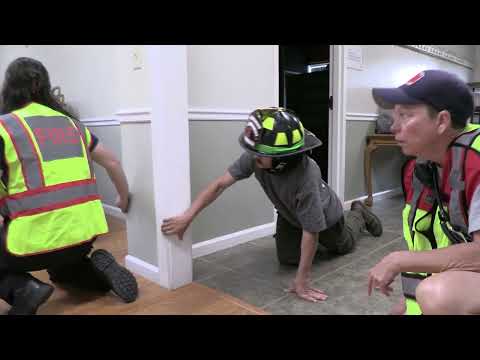
The exercise included an interior search-and-rescue component. Reporter Bill Davis noted crews located a simulated victim in a camp room, and Assistant Fire Chief Green explained search tactics: firefighters "stay low" to remain in cooler air and improve visibility because temperatures can reach "800 up to 1,200 degrees" at higher levels inside a fire.
Green also said crews avoided wearing turnout gear inside the church to prevent spreading contaminants. "Our turnout gear has carcinogens on it ... so we left our gear off," Green said; firefighters crawled in regular clothes during the drill to keep the facility clean while practicing rescue procedures.
Jackson County Emergency Management assisted onsite by establishing incident command and maintaining communications, organizers said. Reporters and participants stressed that fighting a large structure can take three or more times the water needed for a house fire, making tanker logistics and mutual-aid coordination critical in districts without hydrants.
The drill aimed to improve interoperability among departments and familiarize crews with each other's personnel and equipment; participants said the training helps teams work together more effectively if a real incident occurs. The exercise concluded with no formal actions taken.