Get Full Government Meeting Transcripts, Videos, & Alerts Forever!
Get email alerts on the Code Enforcement topic
No spam. Unsubscribe anytime.
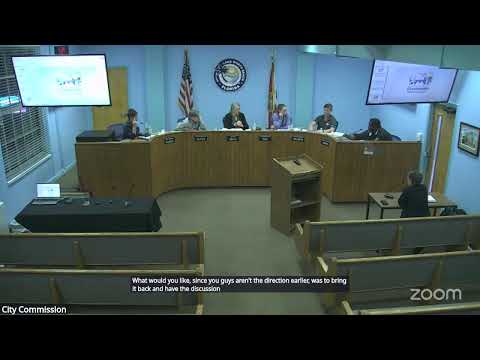
Commission sends draft foreclosure/vacant‑property registry back to staff for rework after extensive public comment
Summary
After extensive public comment and debate about scope, equity and enforceability, the commission voted to not approve the proposed foreclosed/vacant/unimproved property registry as written and directed staff to split the draft into clearer categories (vacant land, downtown/major thoroughfare commercial storefronts, and bank/REO properties) and to explore voluntary incentives and targeted enforcement options.
The commission received lengthy public testimony and cross‑bench debate over a proposed ordinance to register foreclosed, vacant and unimproved properties. Supporters of more aggressive registration and fees argued a registry helps the city identify responsible parties, allow staff to escalate enforcement and deter abandonment; critics warned that the draft was overly broad, risked penalizing homeowners temporarily away (snowbirds), and could impose heavy fees on individuals already in financial distress.
Code‑compliance staff and the city attorney explained the registry evolved from older programs initiated during the foreclosure crisis and is intended to give staff reliable contact data and an administrative mechanism to pursue chronic nuisance properties and absent ownership. Commissioners raised equity concerns about homesteaded houses, defaulted mortgages and the potential for duplicate fines when staff pursues other code remedies. Multiple residents urged either stronger enforcement on long‑term vacant storefronts or different remedies (art activation, higher commercial vacant fees) to avoid long‑term downtown blight.
After discussion the commission voted to NOT approve the ordinance as drafted and directed staff to return with a redrafted approach that separates property types (vacant land, downtown/major‑corridor commercial storefronts, and bank‑owned/REO properties), includes voluntary registry incentives (for example prepaid board‑up or remediation services), clarifies notice and fee structures, and identifies carve‑outs for homesteaded residents and temporary absences. The amended motion and direction passed on voice vote.