Get Full Government Meeting Transcripts, Videos, & Alerts Forever!
Get email alerts on the Education Grant topic
No spam. Unsubscribe anytime.
Commission approves $75,000 education grant program after amending administration
Summary
The commission approved a competitive $75,000 Educational Innovation and Advancement Grant Program, with commission amendments to allow the Education Task Force to become a formal steward (subject to sunshine‑law and legal review) and to clarify beneficiary language; the program structure and award tiers were adopted as amended.
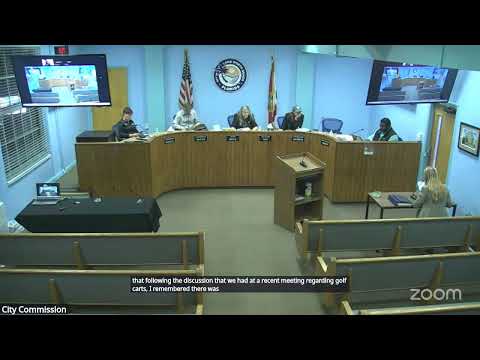
The Lake Worth Beach City Commission voted April 21 to approve a competitive $75,000 grant program meant to support school‑based innovation, declaring three award tiers (excellence $10,000; achievement $7,500; innovation $5,000) and directing administrative changes to the program.
Background and vote: Staff and Assistant City Manager Stuart Perry presented the grant program as a way to put an existing, accumulated $75,000 to use supporting measurable student outcomes (STEM, literacy, mentorship, arts, mental‑wellness and career readiness). The Education Task Force and teachers had previously submitted feedback that informed the draft.
Debate focused on three recurring concerns: whether grants should be open only to public schools (some commissioners said legal staff advised the city may not lawfully limit eligibility), whether the commission or the education group should select winners (members wanted the task force to steward the program but noted sunshine‑law implications), and whether the competitive application and sustainability criteria would unduly burden principals and teachers.
Amendments and direction: Commissioners amended the program to (1) designate the Education Task Force as the steward but require it to become a sunshine‑board if it will make award selections; (2) change beneficiary language so projects must directly benefit students who attend schools located in Lake Worth Beach (rather than strictly residents); and (3) remove a strict sustainability requirement that would have required projects to persist beyond the grant year. The commission also confirmed that the program could disburse funds in multiple awards per year and that legal counsel would research whether public, charter or private schools could be limited by ordinance.
Outcome: The motion to approve with those amendments passed and the commission authorized staff to move the program forward. Commissioners said they wanted reporting requirements kept light so teachers could apply without onerous paperwork.
Sources: Staff presentation by Stuart Perry and public comments from task‑force members and principals at the April 21 meeting. The commission recorded a motion, amendment and successful vote to adopt the program.