Get Full Government Meeting Transcripts, Videos, & Alerts Forever!
Get email alerts on the Electric Utility topic
No spam. Unsubscribe anytime.
Lake Worth Beach electric director outlines solar gains, PCA spike and options for customer call handling
Summary
Electric Director Ed Liberty described new solar deliveries from Whistling Duck and Rice Creek, explained a $7 PCA increase that will show on March bills, and presented options for handling high call volumes — continuing with Ansonnet, switching providers, or building an in‑house, hardened call center tied to AMI upgrades.
Ed Liberty, director of Lake Worth Beach Electric Utility, updated the commission on multiple developments in the utility portfolio and customer service operations. He reported that the FMPA Whistling Duck solar site (roughly a 20‑megawatt stake for Lake Worth Beach) and Rice Creek were operational and delivering energy to the city’s system. Liberty confirmed the projects are tracking well and that the city’s contracted solar megawatts are online.
Liberty said the electric utility had implemented a $7 monthly PCA (power cost adjustment) increase on a 1,000‑kilowatt‑hour bill effective March 1; the rise was driven in part by an extreme cold snap in late January and early February that sharply raised gas prices and increased power costs for the utility. He described the cold event as an unexpected near‑term cost spike and said solar output helped offset some of the expense.
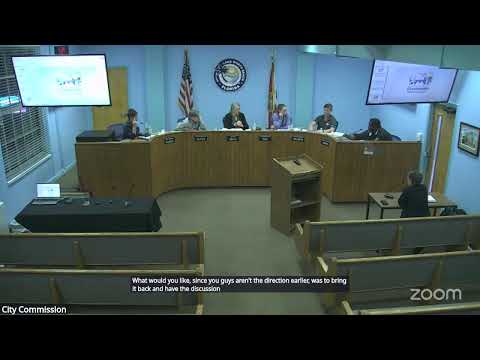
Commissioners spent extensive time on customer‑service operations: the city contracts with a third‑party call center (Ansonnet) that fields inbound calls and transfers many to in‑house staff. Liberty said outsourced calls cost roughly $6–$7 per call and that the utility receives around 3,500–4,500 calls per month across about 28,000 accounts. He outlined the tradeoffs of returning call handling in‑house — the city would need a hurricane‑rated facility and 9–12 agents (plus benefits and overhead) to maintain resilience during storms — versus continuing with an outsourced vendor or pursuing a different vendor. Liberty recommended investing in AMI (automated metering infrastructure) and CIS integration so the utility can proactively notify customers of outages and reduce incoming call volume.
Liberty also updated the commission on legacy power‑plant issues: FMPA’s former Stanton coal plant is being retired and participants are negotiating how to account for long‑term closure and coal‑ash costs. He said participants appear close to an agreement and that FMPA staff would set reserve accounting next steps.
Commissioners asked staff to build business cases comparing outsourcing versus in‑house solutions, to pursue better AMI/CIS integration, and to return with budget and procurement timelines for further discussion.